Elephant release in Panda Masuie

In Harare, we visited the elephant orphanage again at the beginning of our trip. There we met not only Roxy Danckwerts, but also her son Jos. Roxy is the founder of Wild is Life. This organisation consists of two branches, namely the Wild is Life Trust and the Zimbabwe Elephant Nursery (ZEN, https://www.zimbabweelephantnursery.com). After our trip to Victoria Falls, we also visited the elephant release centre in the nearby Panda Masuie area. This is run by Jos Danckwerts, whom we met again on site.

The principle of elephant release is amazingly simple. The elephants are cared for and rehabilitated in their boma. During the day, they go for a walk in the forest with their keepers. When it is feeding time, they come back. Some elephants then break away from this walking group and stay away for some time. They then usually rejoin the group. But there is no compulsion. Those elephants who can manage on their own in the wilderness can stay there.

We have directly supported "Wild is Life" from our association "Rettung bedrohter Wildtiere". Since Wolfgang Hennig is also a member of IFAW, he also donated through this organisation.

Jos Danckwerts had asked me, Wolfgang Hennig, not to publish the numerous very interesting pictures I was able to take on site at the reintroduction station for security reasons. I therefore refer to the interview he gave to IFAW.

https://www.ifaw.org/journal/jos-danckwerts-elephants-panda-masuie

The elephant pictures shown here were taken outside the release station during our trip.

With such tusks, it is a bit more difficult to move the trunk.

Drinking is not easy. You have to prop up your trunk once in a while.

You can also clean the trunk with the water.

A mud bath is always lovely.

You can also spray yourself wonderfully with sand.

When the mother has a bowel movement, you should already pay attention to where your own head is.

Heads up! The ball is coming!

That went well. The family can go home with peace of mind.

Victoria Falls Wildlife Trust

After driving from Hwange NP to Victoria Falls, we visited the Victoria Falls Wildlife Trust (VFWT).  The CEO is Jessica Dawson. As a souvenir, we handed over anaesthetics and awakening medication that Heidi Götzl had donated through our association. These medicines are very expensive and essential for the rescue or transport of injured wild animals.

Jessica took a lot of time to inform us about the tasks of the VFWT (https://vicfallswildlifetrust.org/projects).

  • Rescue and Rehabilitation Program injured or orphaned wildlife

For example, the Trust has its own infirmary, which is looked after by the wildlife veterinarian Dr Chris Foggin. Two animals that came to the station as babies (Judge the vulture and Sylvester the cheetah), which can no longer be released into the wild, are used for teaching, especially for children as wildlife ambassadors.

  • Wildlife Research                                                                                                                      

 "Wildlife research plays a key role in finding sustainable solutions for long term conservation. Increasing human populations places strains on environmental resources, including wildlife habitat."  https://vicfallswildlifetrust.org/projects/wildlife-research/

  •  Wildlife Disease and Forensic Labaratory

This is not only extremely important for laboratory chemical and histological examinations of injured or diseased wild animals. It also serves to combat wildlife crime.  For example, ivory seized through genetic analyses can also be concretely assigned to killed elephants.

  • Community Outreach according to the motto: 

"If we are to be successful in the long-term conservation of wildlife and natural resources we have to work with people." https://vicfallswildlifetrust.org/projects/community-outreach/

Right at the entrance of the institute we were greeted very kindly by the wildlife ambassador, the white-backed vulture Judge.

"In late December 2013 a white backed vulture fledgling was found at the base of a tree in the Zambezi National Park and brought to The Victoria Falls Wildlife Trust‘s facilities, it was very ill and unable to fly. Slowly we were able to improve the bird’s health and get it to both eat and drink on its own. Unfortunately, its wing was severely deformed, suspected as a result of a collision with another vulture or toxicity when it was still in the nest. The vulture (now called “Judge”) will never be able to fly, so the Trust agreed to look after Judge for the remainder of her life. .... Through training as a fledgling, Judge has become an ‘Ambassador for Vultures’, educating local school children and teachers about the critical need for vulture conservation through our weekly Conservation Education Program. (https://vicfallswildlifetrust.org/projects/judge-the-vulture-ambassador/)

Judge

We handed over the wildlife anaesthesia drugs to Jessica Dawson. fltr. CEO Jessica Dawson, Dr Wolfgang Hennig, Dr Gisela Hennig, Dr Richard Hoare

Jessica Dawson explained to us in detail the different projects of her organisation.

Every piece of equipment in the lab is explained, which of course was of particular interest to us as doctors.

With this small device, genetic analyses can be carried out, which is very important not only forensically.

There is a seriously ill little kudu in the infirmary right now. The previously missing appetite seems to be coming back.

White Rhino Sanctuary from Imvelo

Community Rhino Conservation Initiative (CRCI) von Imvelo

Mark Butcher is the owner of Imvelo, i.e. the Bomani and Camelthorn lodges, and at the same time the founder of the Community Rhino Conservation Initiative (CRCI). He not only made it possible for us to stay at both lodges, but also welcomed us at the beginning of our stay at Camelthorn for a briefing and a presentation via PP. The next day we were allowed to visit the anti-poaching unit with the rangers and with them the white rhinos that have only been living here for 2 months. We were not only able to see for ourselves that the rhinos have been relocated to a biotope that is wonderfully suited to them, but that they are also extremely well guarded.

Let's let Mark Butcher speak for himself:

White rhino are an easy target for anyone with a rifle, and the original populations were eliminated from Zimbabwe in the early 1900’s.  As a species it came dangerously close to extinction, but was saved by a small protected group in Zululand.  From that population, numbers gradually increased and the species was successfully reintroduced to their previous habitats around southern Africa in the 1950’s and 60’s. All went well until poaching took off in the 1970’s and continues to this day, with those populations which survive now only doing so with highly intensive protection.

At its peak, the rhino population in Hwange National Park numbered several hundred by 1970’s and 80’s, of which about 120 were white rhino. By the early 2000’s, poaching had once again eradicated the population from the Park.

Imvelo’s Community Rhino Conservation Initiative (CRCI) was conceived to reintroduce rhino to Hwange – providing better protection this time. The community living on the south eastern edge of the Park were already conservation conscious, so the concept was to establish highly protected rhino sanctuaries on community land bordering the Park. This would be the catalyst for a bigger conservancy and buffer zone between Park and community, supporting local people through gate entry fees, jobs, increased tourism and reduced human wildlife conflict.

Today, this could be one of the most exciting conservation projects in Africa:

• It’s about rhino, arguably the most endangered large African mammal

• It’s about community, not in a government Park or on private land

• It’s about creating a self-sustaining buffer zone on Hwange’s boundary to protect one of Africas great Parks and the communities who live around it

• It’s been achieved despite the COVID-19 pandemic and collapse of tourism
 https://www.imvelosafarilodges.com/crci.html

Mark Butcher and his team THANK YOU for everything


Mark Butcher, the founder of the Community Rhino Conservation Initiative (CRCI)

The rhino sanctuary is not only secured with a 10,000 V electric fence.

One of the buildings of the anti-poaching unit for the protection of rhinos

Excuse me, but information we have received here we do not want to publish for the protection of the animals

Brief characteristics of the two rhinos, which has only been in this protected enclosure for 2 months at that time

This is Thuza. So that the rhinos can be distinguished from each other, each was given a special notch in the ear.

Characteristics of Kusasa

Kusasa

Suddenly Thuza came towards the ranger and me. Instead of tele lens, I would have needed a wide-angle lens.

Then they both came to us together.

Such close proximity to the rhinos is only recommended with very experienced guides, unless you want to forgo the trip home.

Then we have to hurry to get to camp as the sun sets quickly.

Visiting the lions in the bush

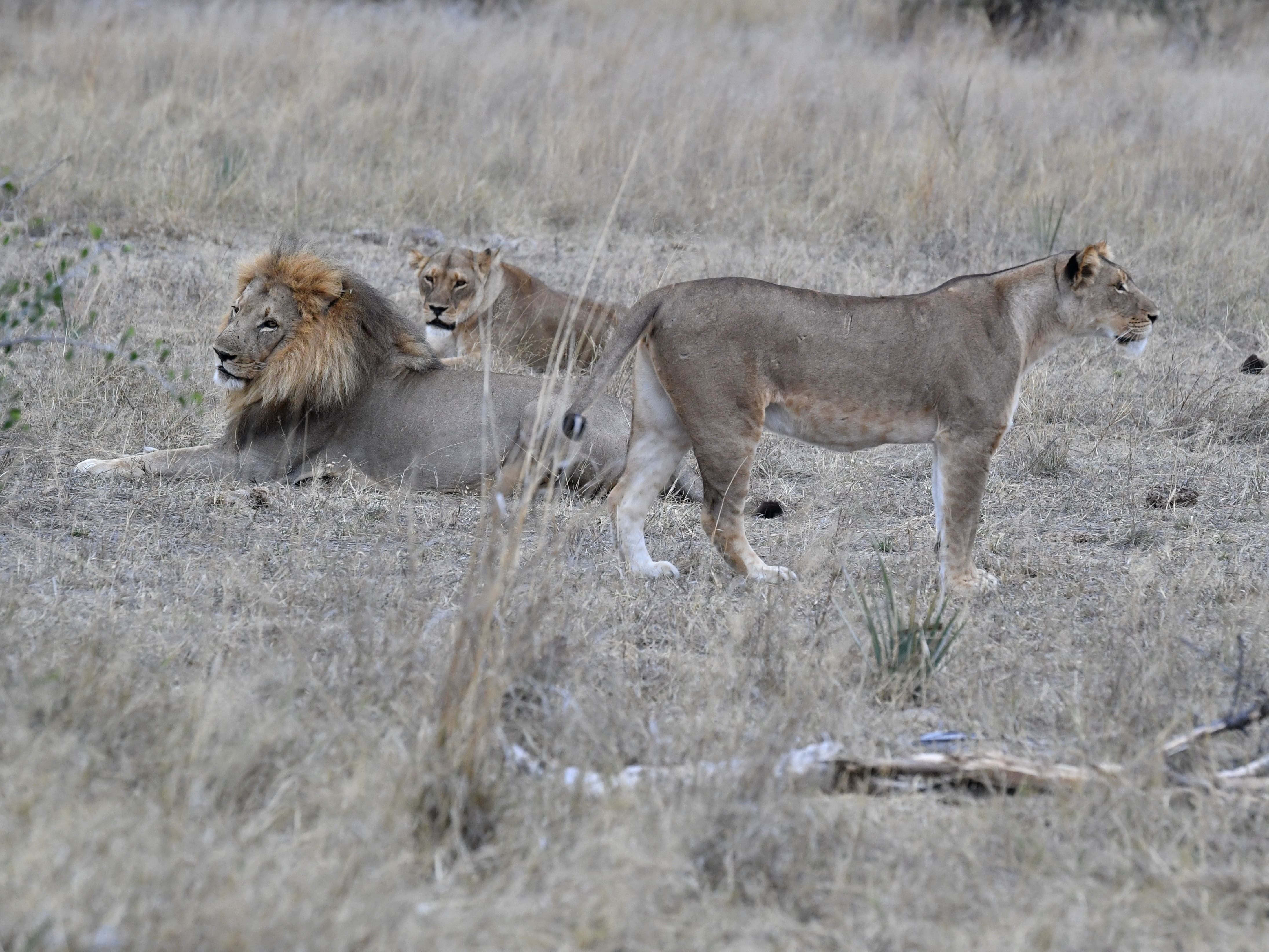
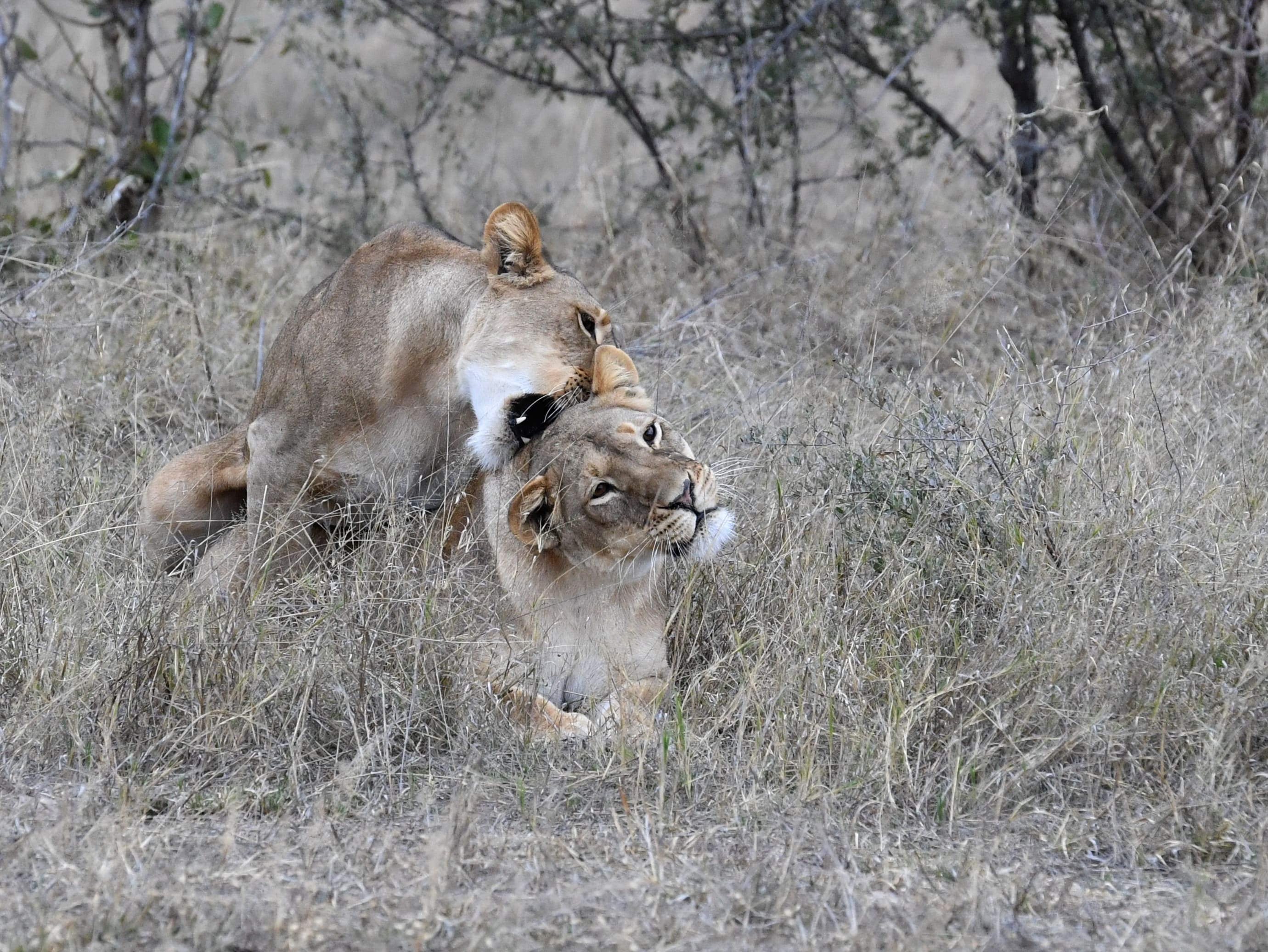
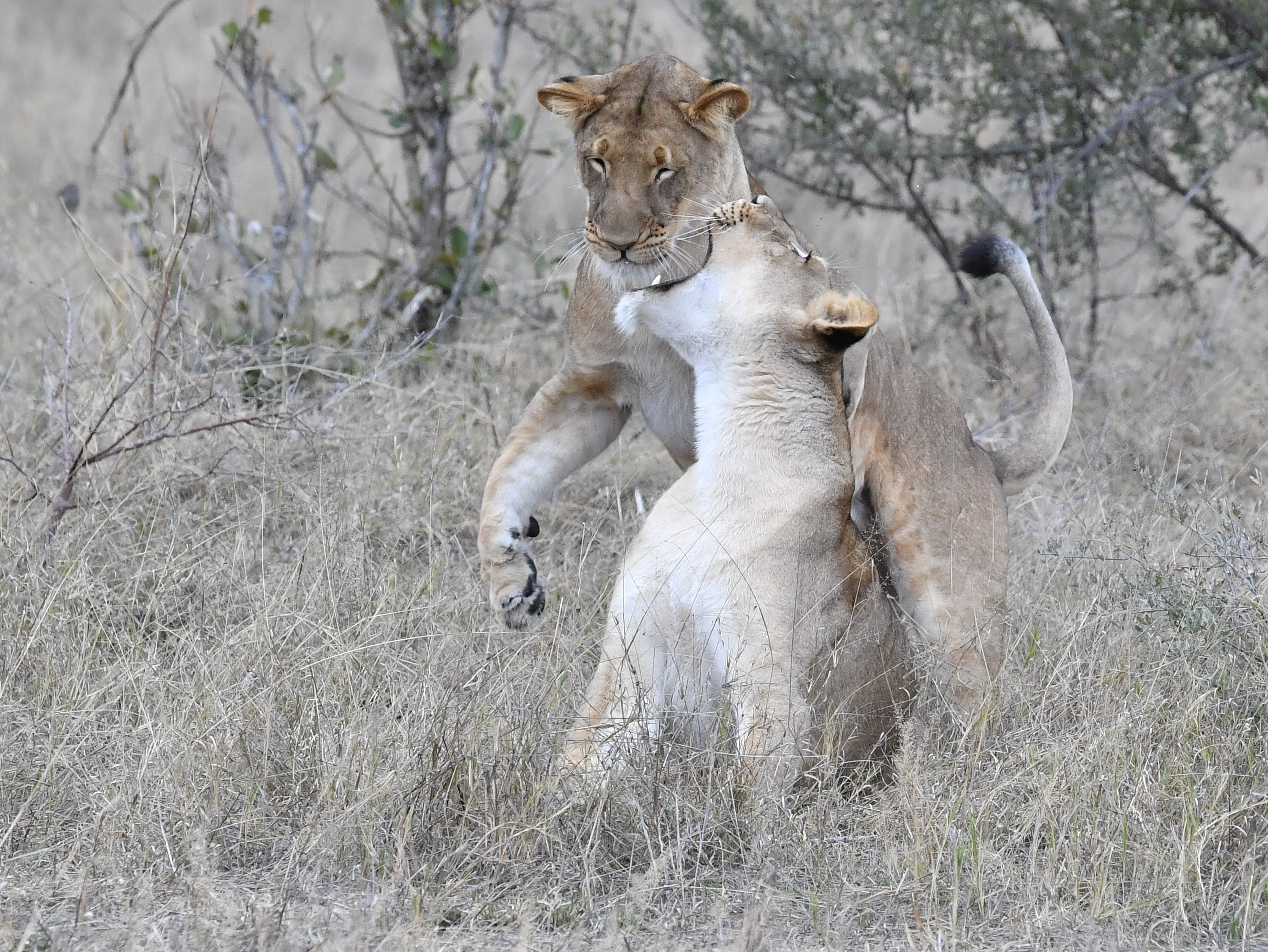
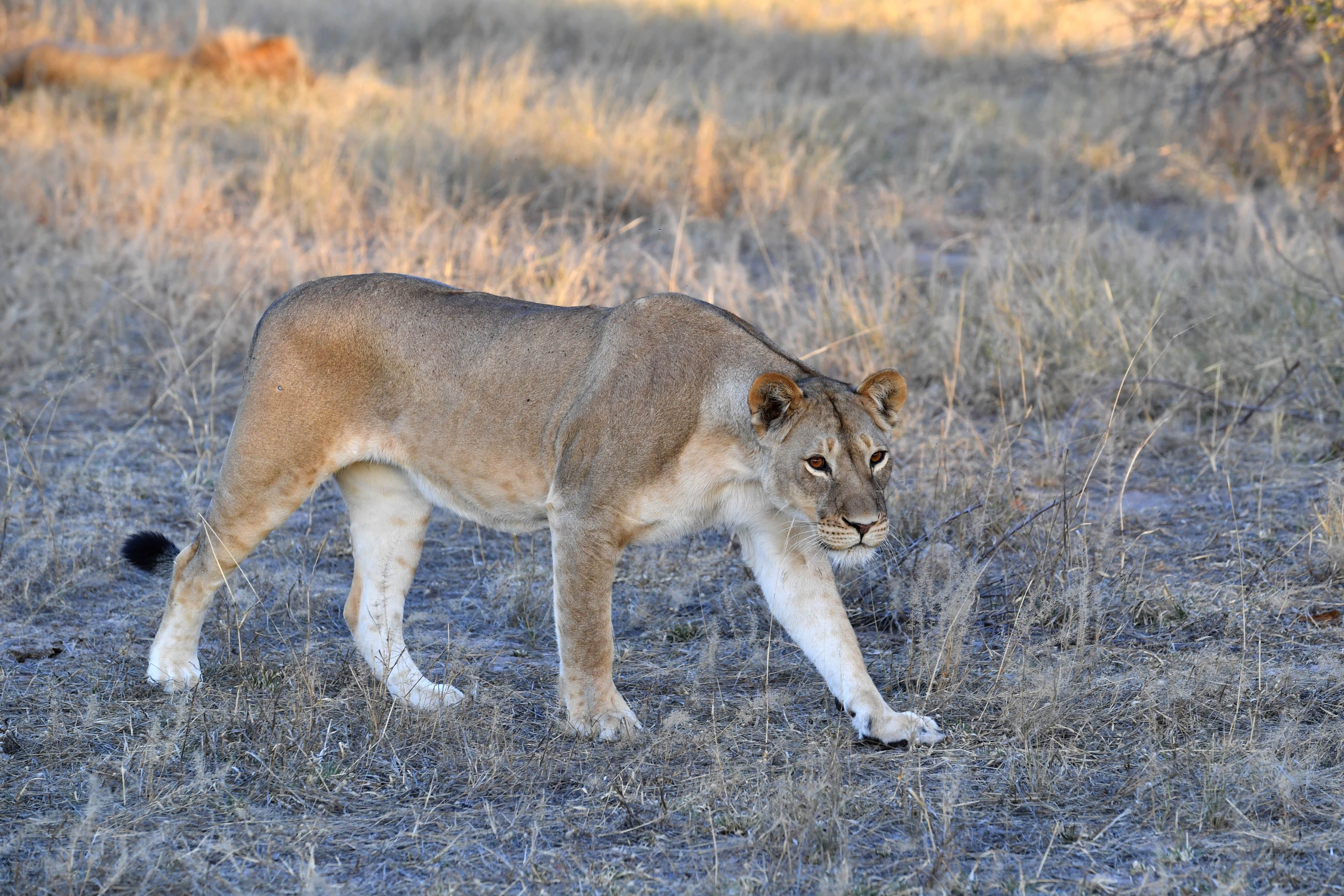
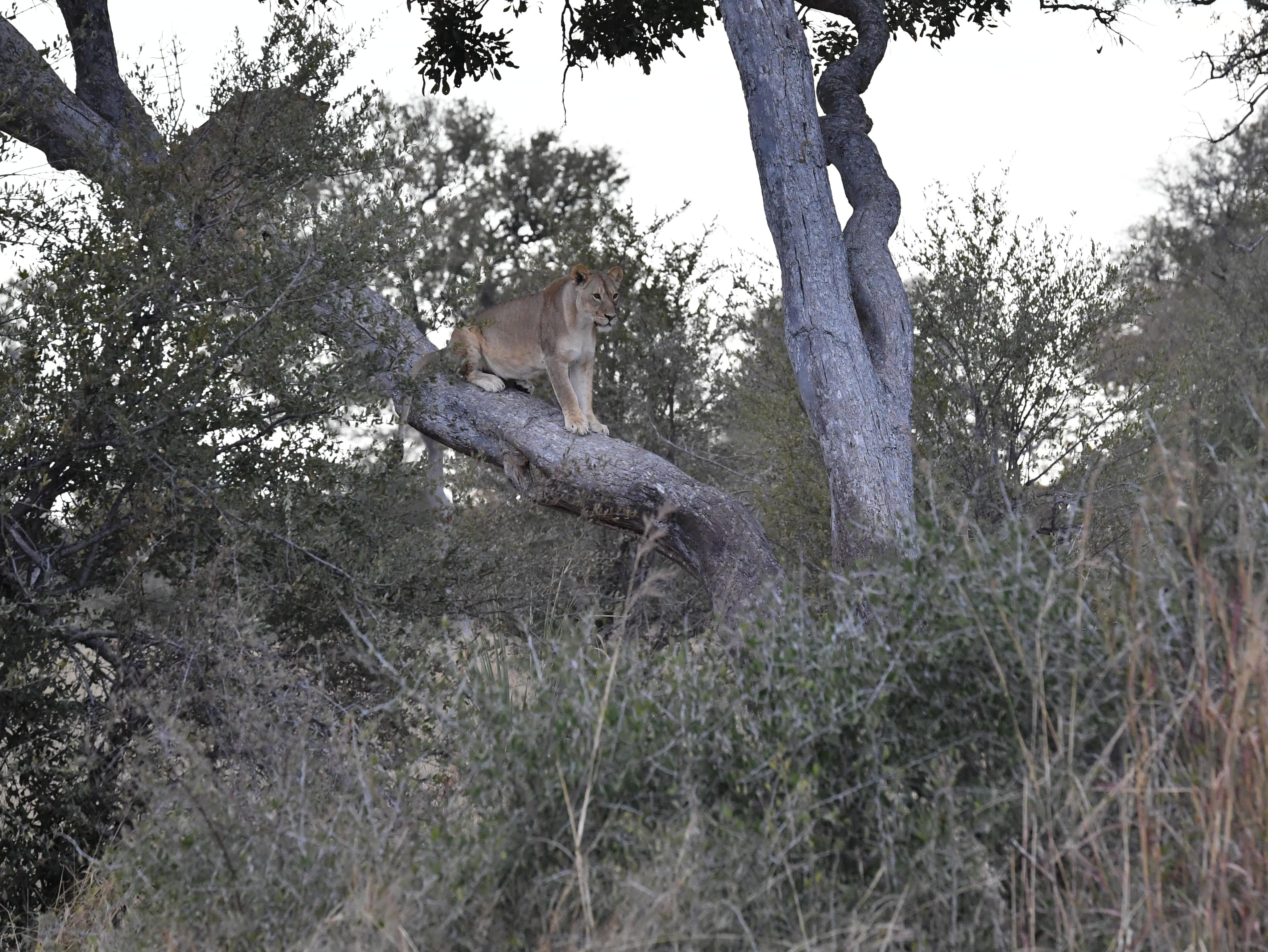
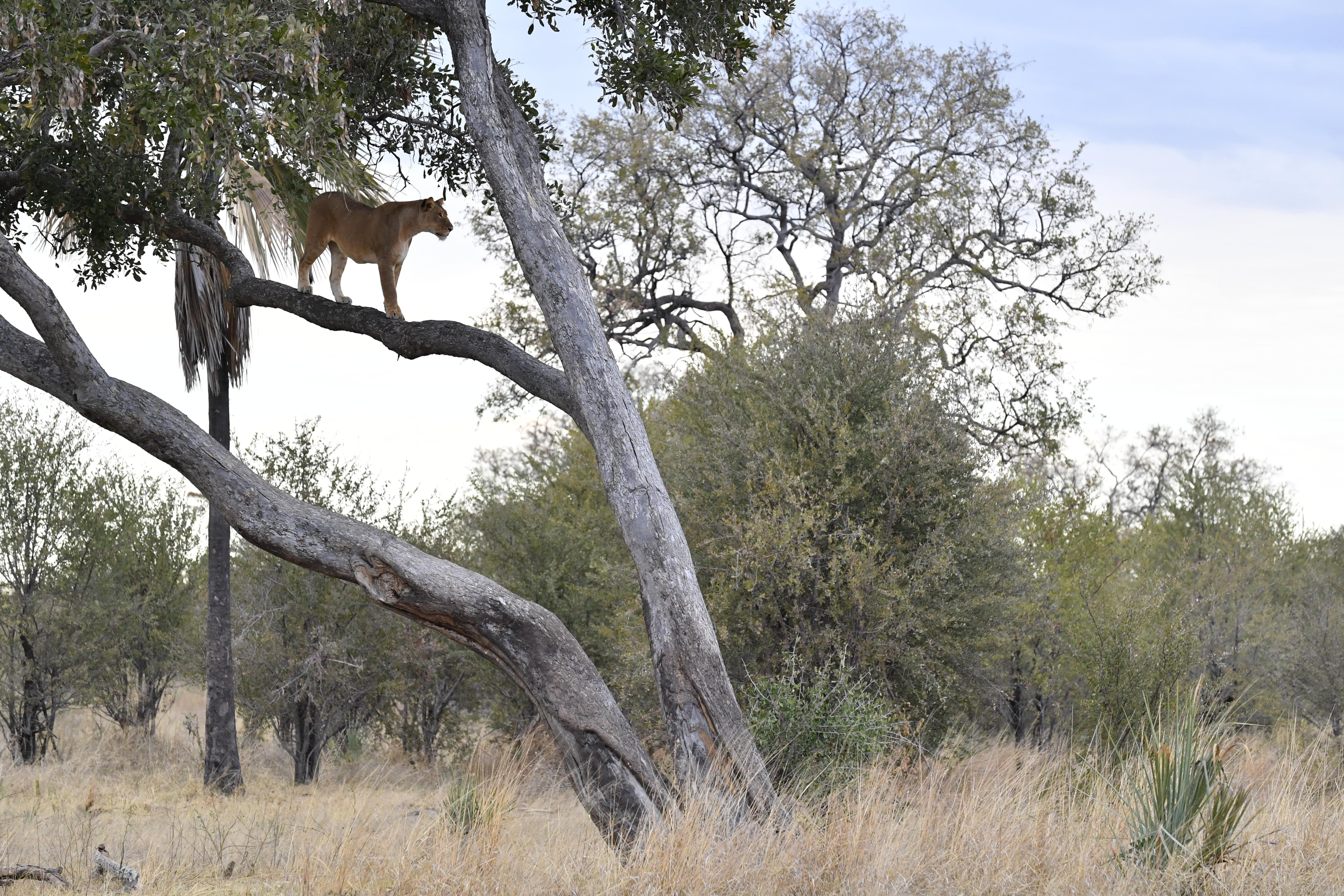
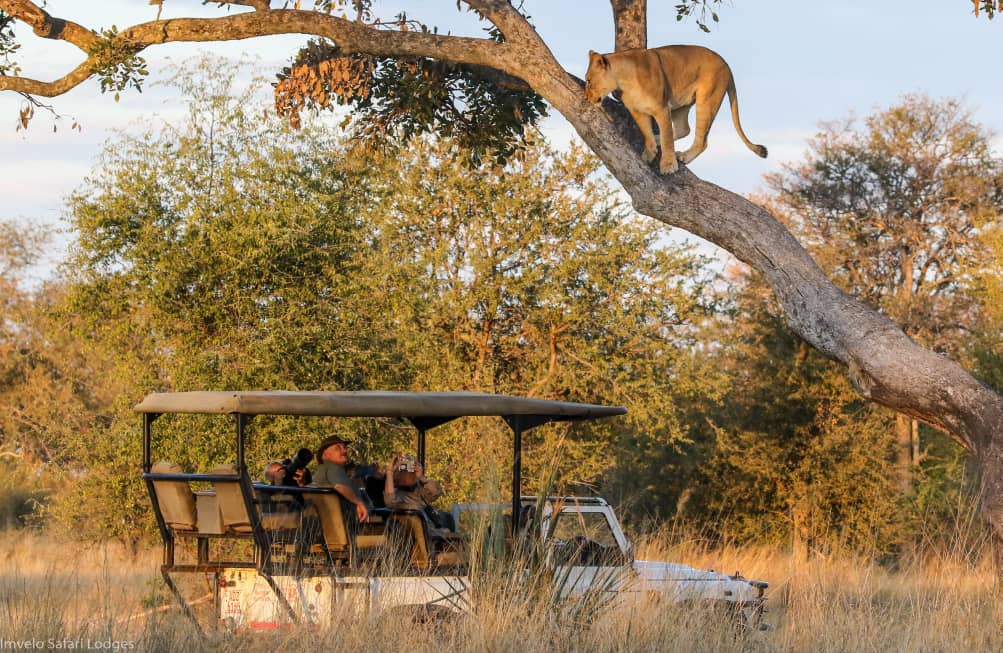
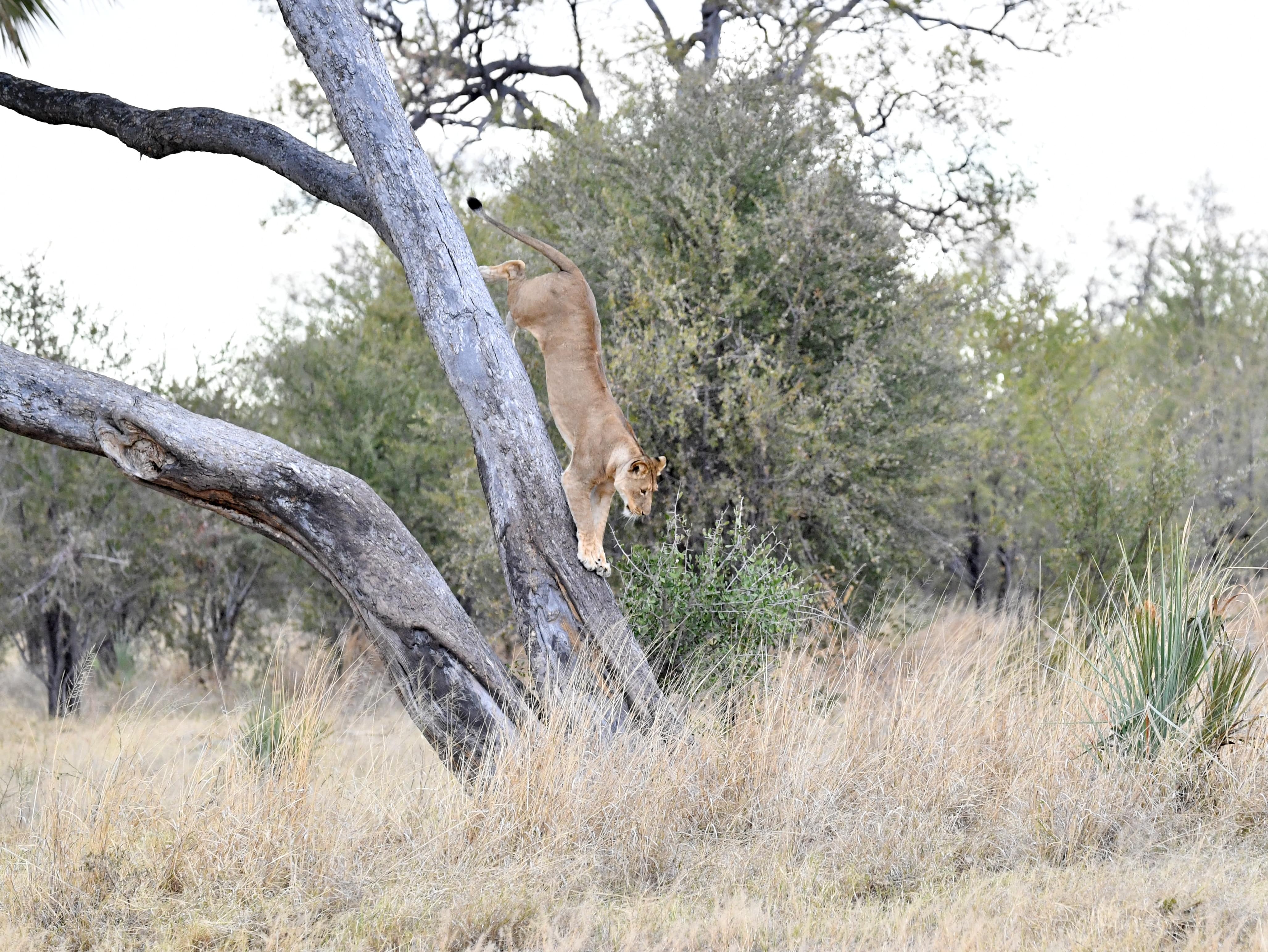
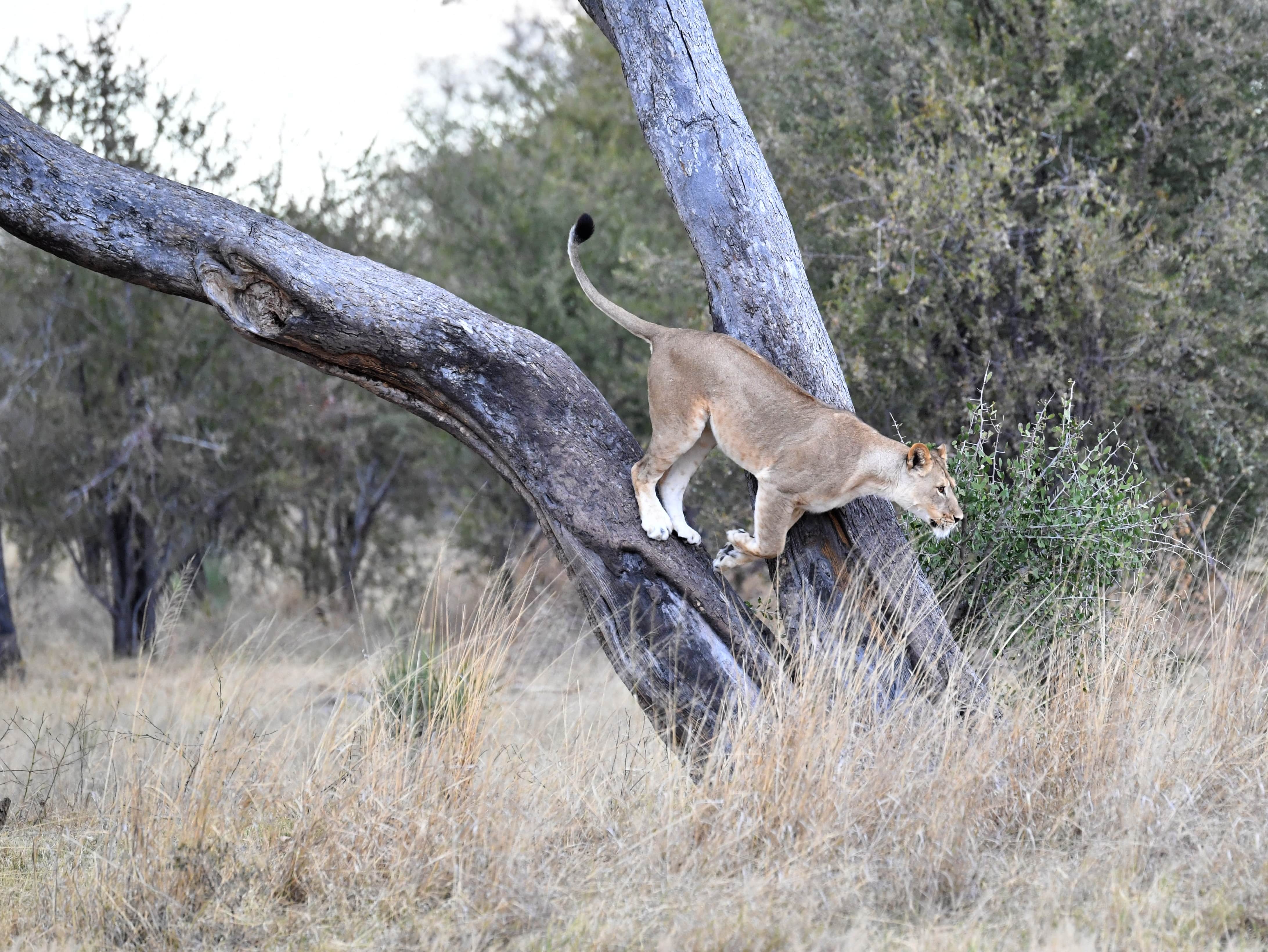
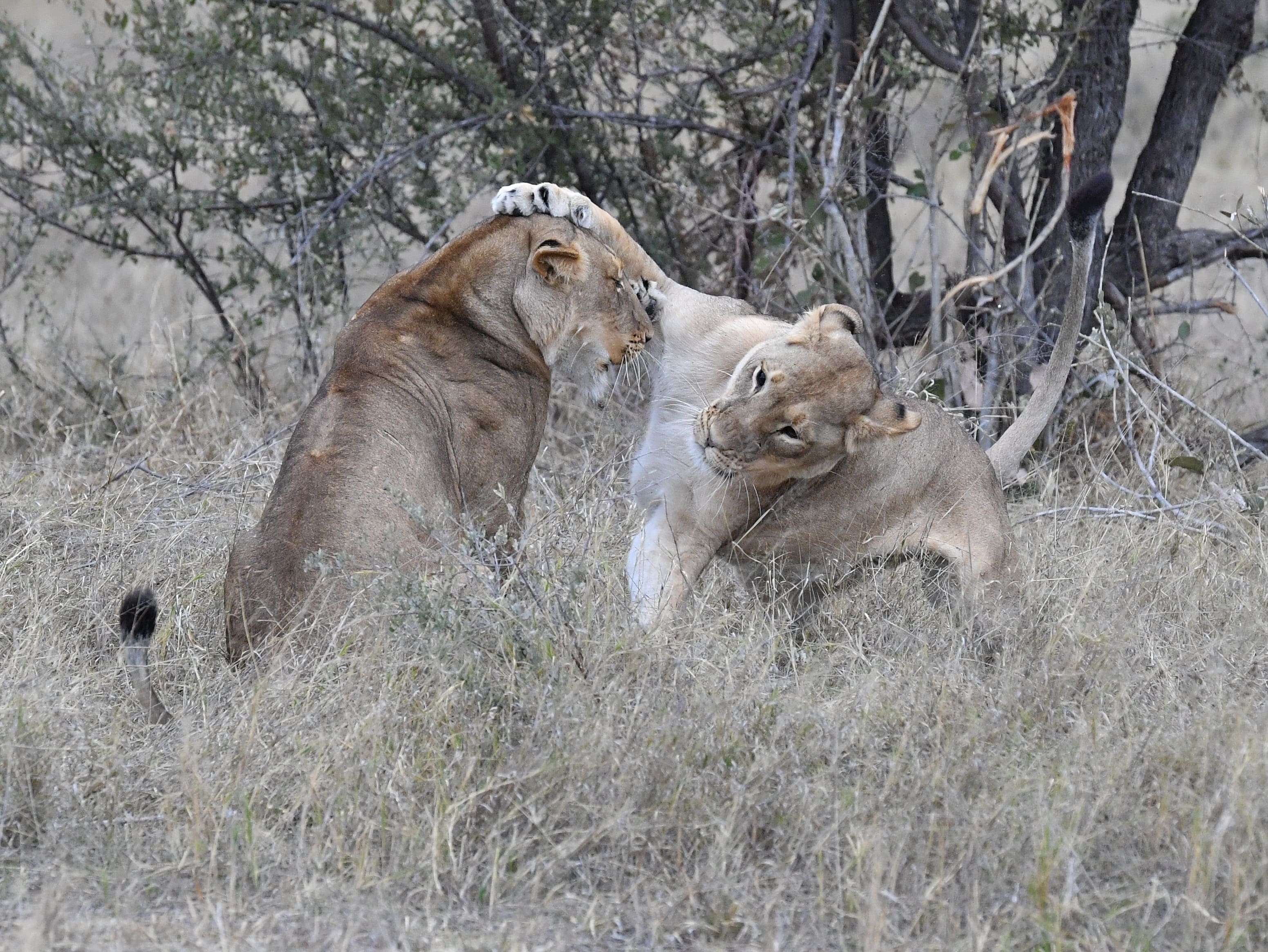
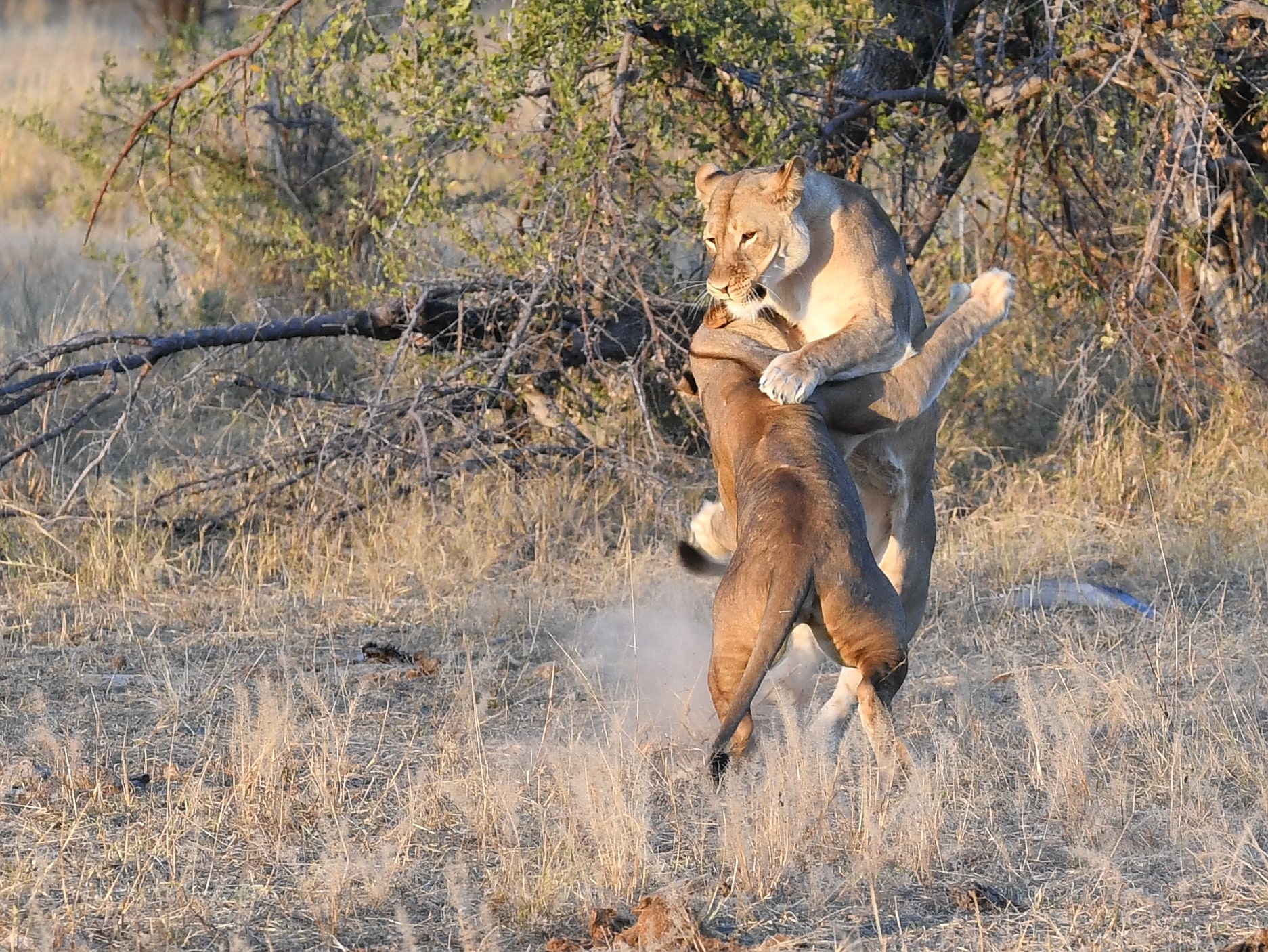
When we arrived in the south-east of Hwange NP, we were immediately surrounded by lions the next morning near Bomani Lodge.  I put a few not-so-serious words in the lions' mouths during the captions. But they were serious about playing. One lioness, for example, considered jumping from the tree onto the roof of our car to play with us. That's probably why I've never fidgeted so little in my life as I did at that moment in the car.

If you want to see the photos bigger, you have to click on them. The "Esc" key will bring you back.

Giraffe rescue

Giraffe rescue

Dr Richard Hoare and his team had fitted 15 giraffes in Hwange National Park with a GPS transmitter in their ears as part of a GCF (Giraffe Conservation Foundation) project shortly before our visit. The giraffes are being monitored by Oxford University. 1 day before our arrival at Bomani Lodge, our guide Pete had spotted a giraffe in the bush with a wire snare around its neck. The tether had broken so the giraffe was no longer tied to the tree, but was long enough to step on. After locating the giraffe, everyone was alerted (the National Park Service's Emergency Wildlife Rescue, the CWF's Anti-Poaching Unit led by our friend Steve Alexander, and the GCF with Jaco Olivier, with whom we had already been in Harare). The national park's veterinarian Dr Kudzai Muponde managed to anaesthetise the giraffe properly. The team remove the snare very quickly.  After the wake-up shot, the giraffe disappeared  into the bush. Unfortunately, we ourselves were a few minutes too late for this rescue operation. But we would only have been observers anyway.

Newborn giraffe still possessing its umbilical cord

Sad that you also have to protect these wonderful animals extra

These Red-billed Oxpeckers are important for the giraffes, but sometimes also a nuisance.

The following teams were deployed to free the giraffe from the snare: 1. emergency wildlife rescue led by vet Dr Kudzai Muponde

2. GCF (Giraffe Conservation Foundation) with Jaco Olivier

The CWF's anti-poaching unit with Steve Alexander.

The giraffe had this snare around its neck.

Wildlife vet Dr Kudzai Mupone gave the well-aimed shot for anaesthesia.

This 3 teams has work together brilliantly to free the giraffe from the snare.

fltr. Jaco Olivier from Giraffe Conservation Foundation, Dr Wolfgang Hennig, Sian Brown, Steve Alexander from the Anti-Poaching Unit and Dr Richard Hoare, who runs wildlife anaesthesia courses.

The world’s best railway train is The Elephant Express

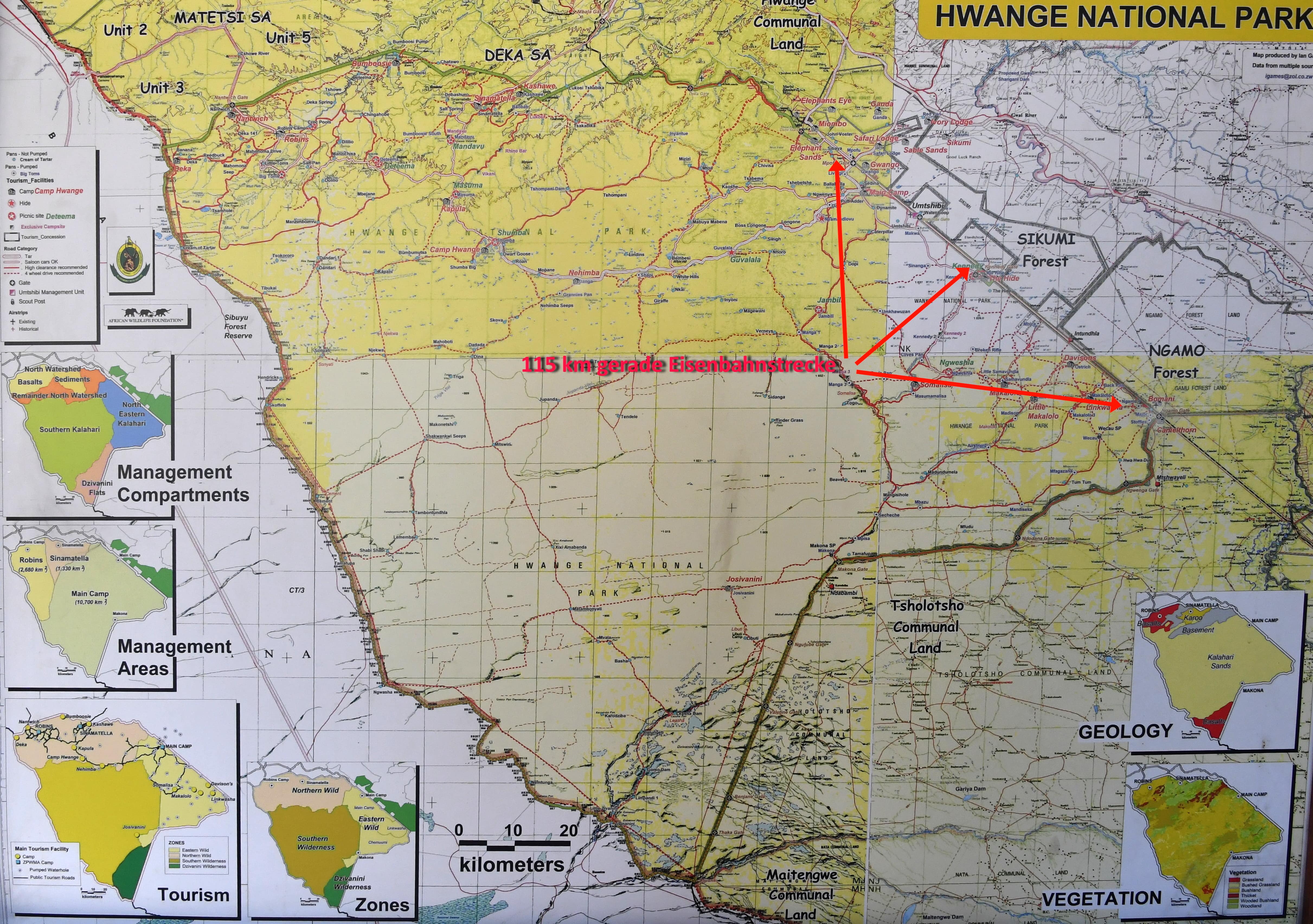
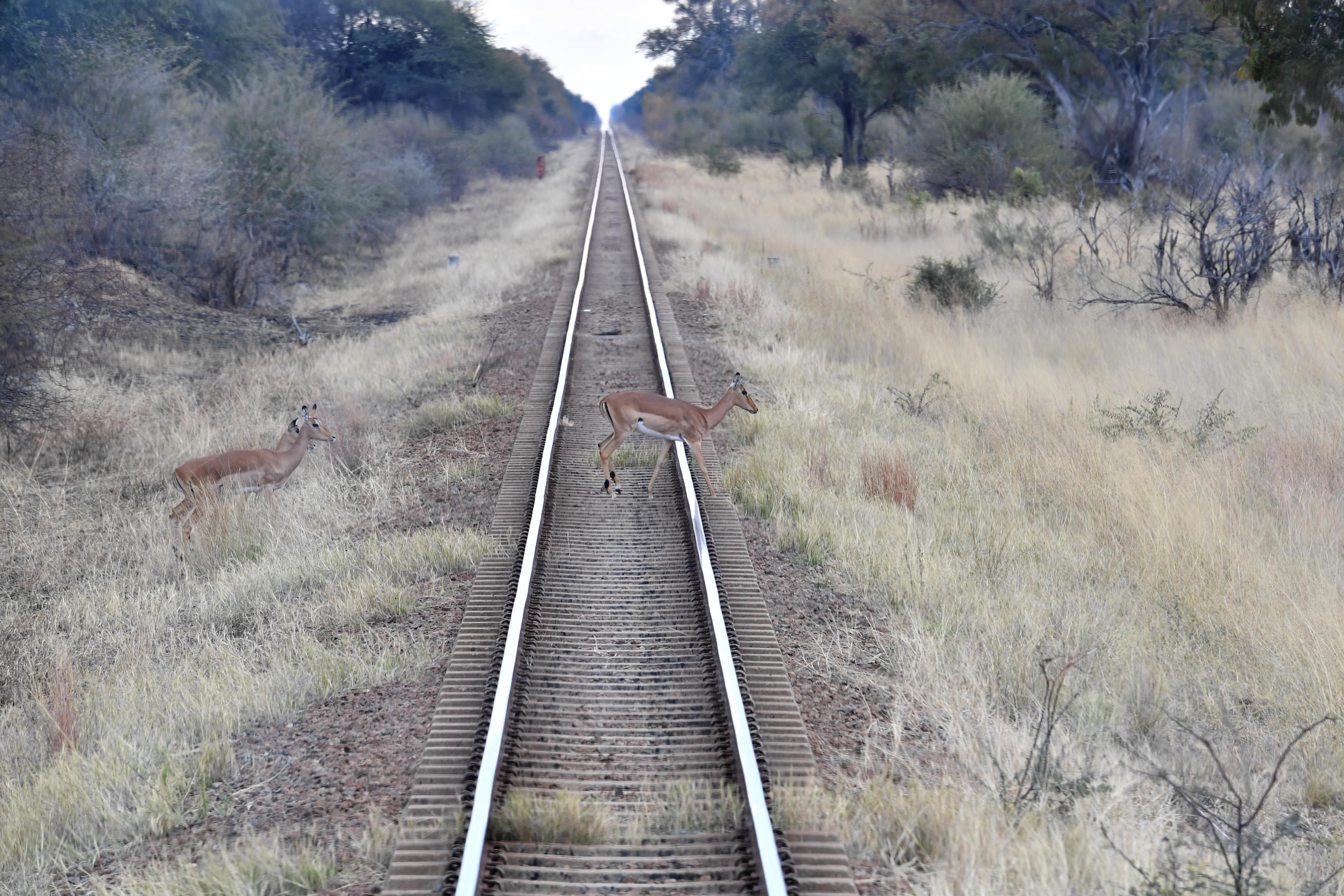
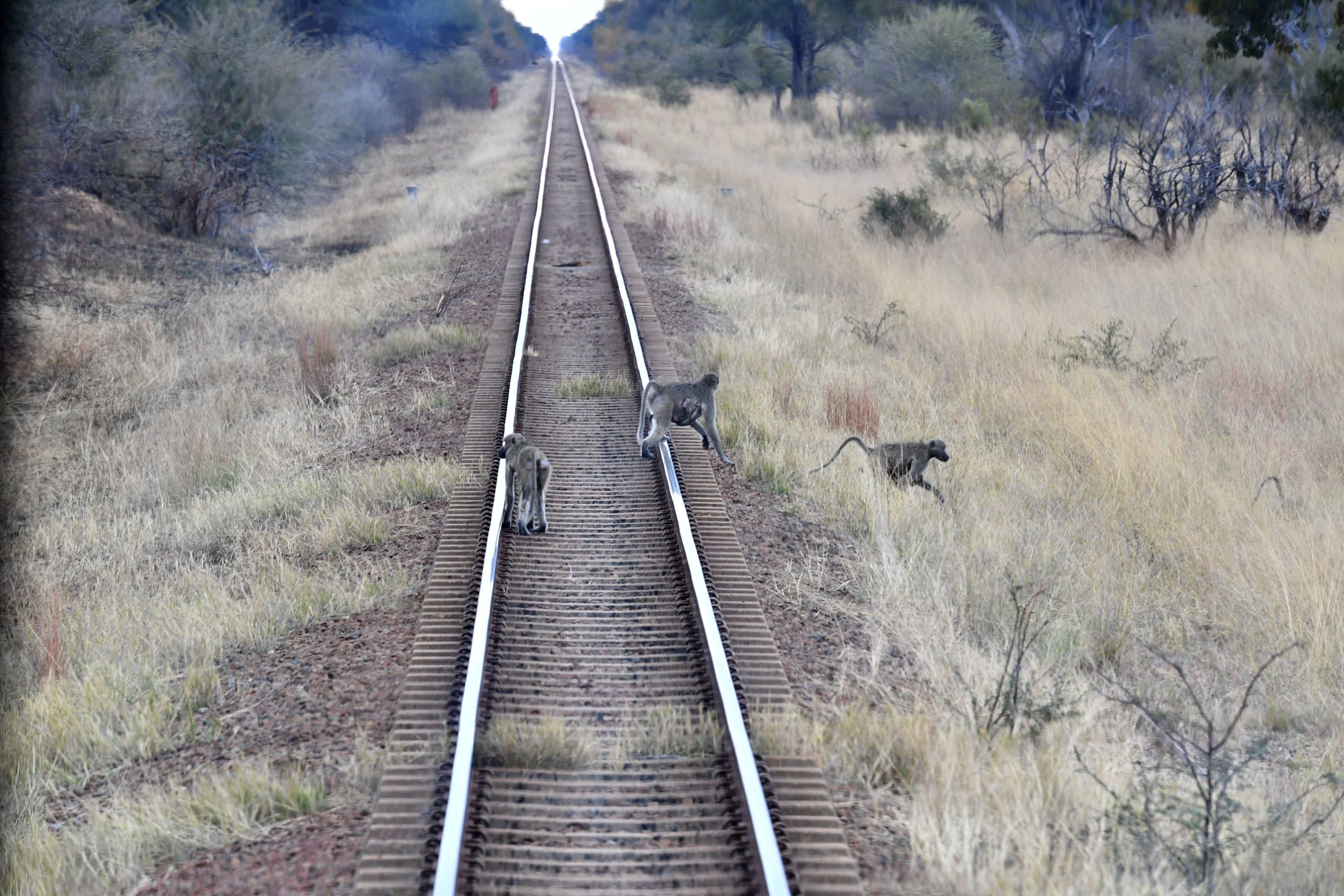
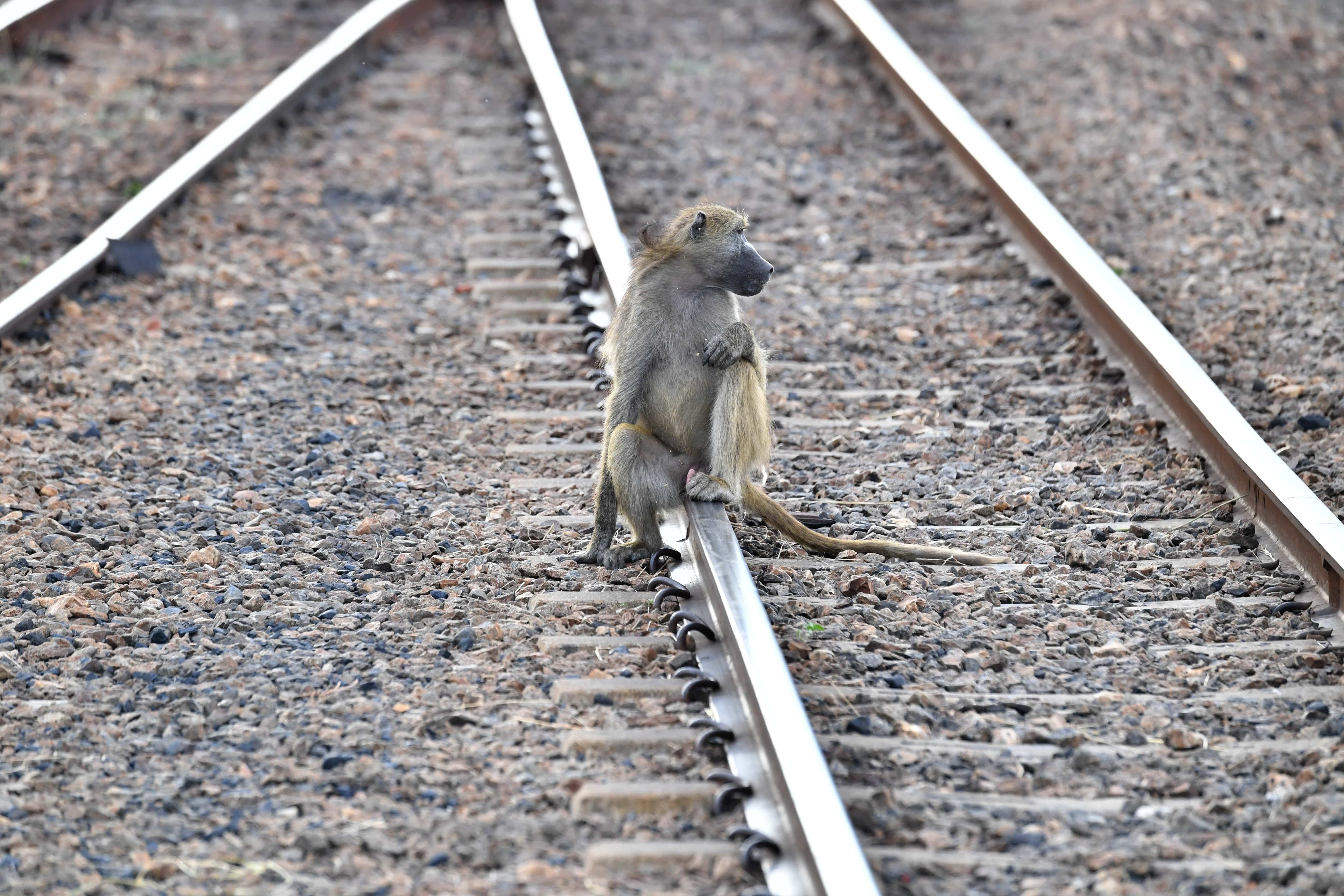
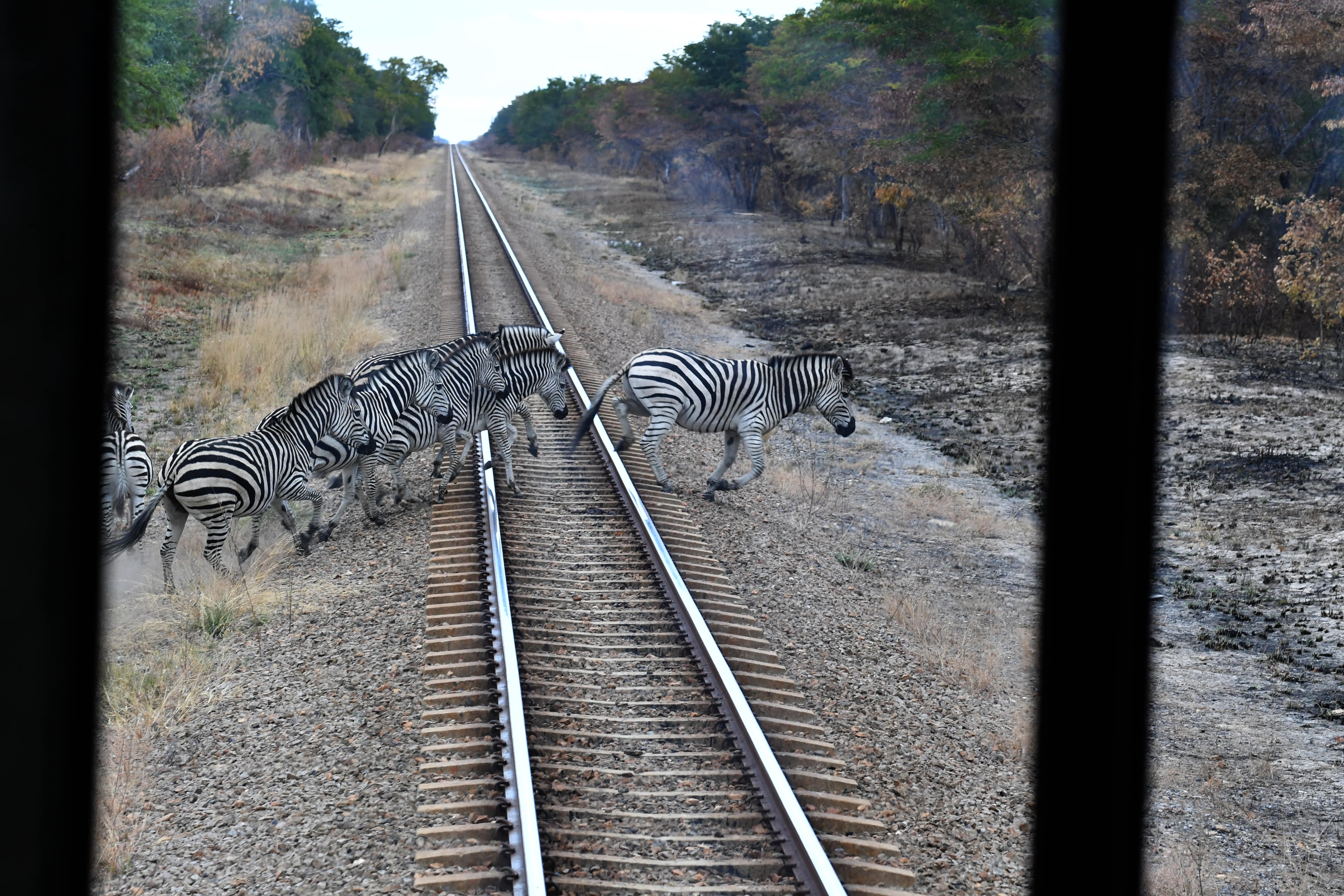
On the north-eastern edge of Hwange National Park is the second longest, completely straight railway line in the world (115 km). The best train in the world runs here. It is a diesel-powered railcar that was built on the initiative of Mark Butcher for the guests of the Bomani and Camelthorn Lodges. The best because it stops for each animal to cross the track unharmed.

Map of the Hwange National Park

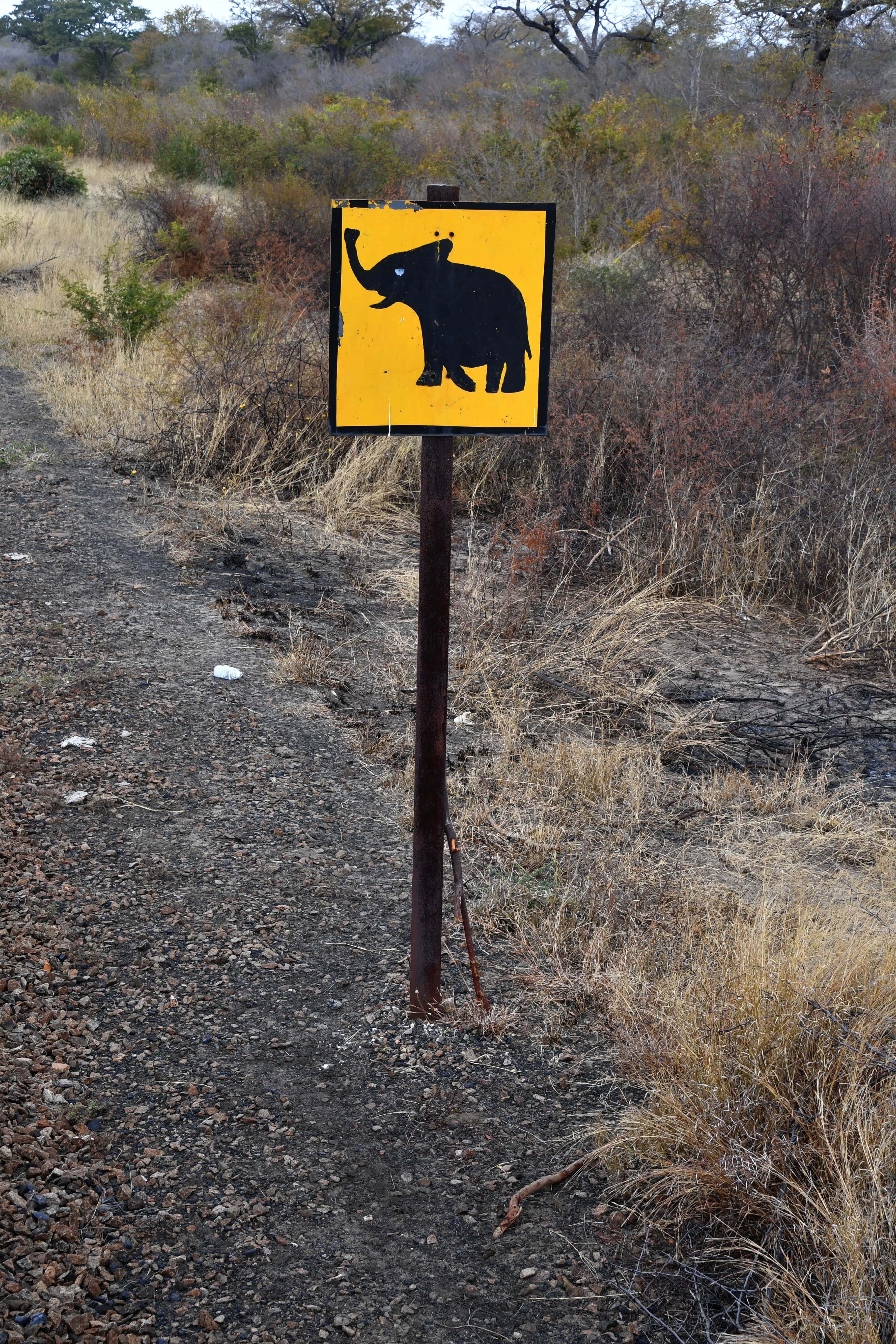
In Germany, you will look in vain for this sign on the railway lines.

Impalas cross the track here.

Some baboons are in a relative hurry ...

..., others do not. No animal may be run over. Then the train stops.

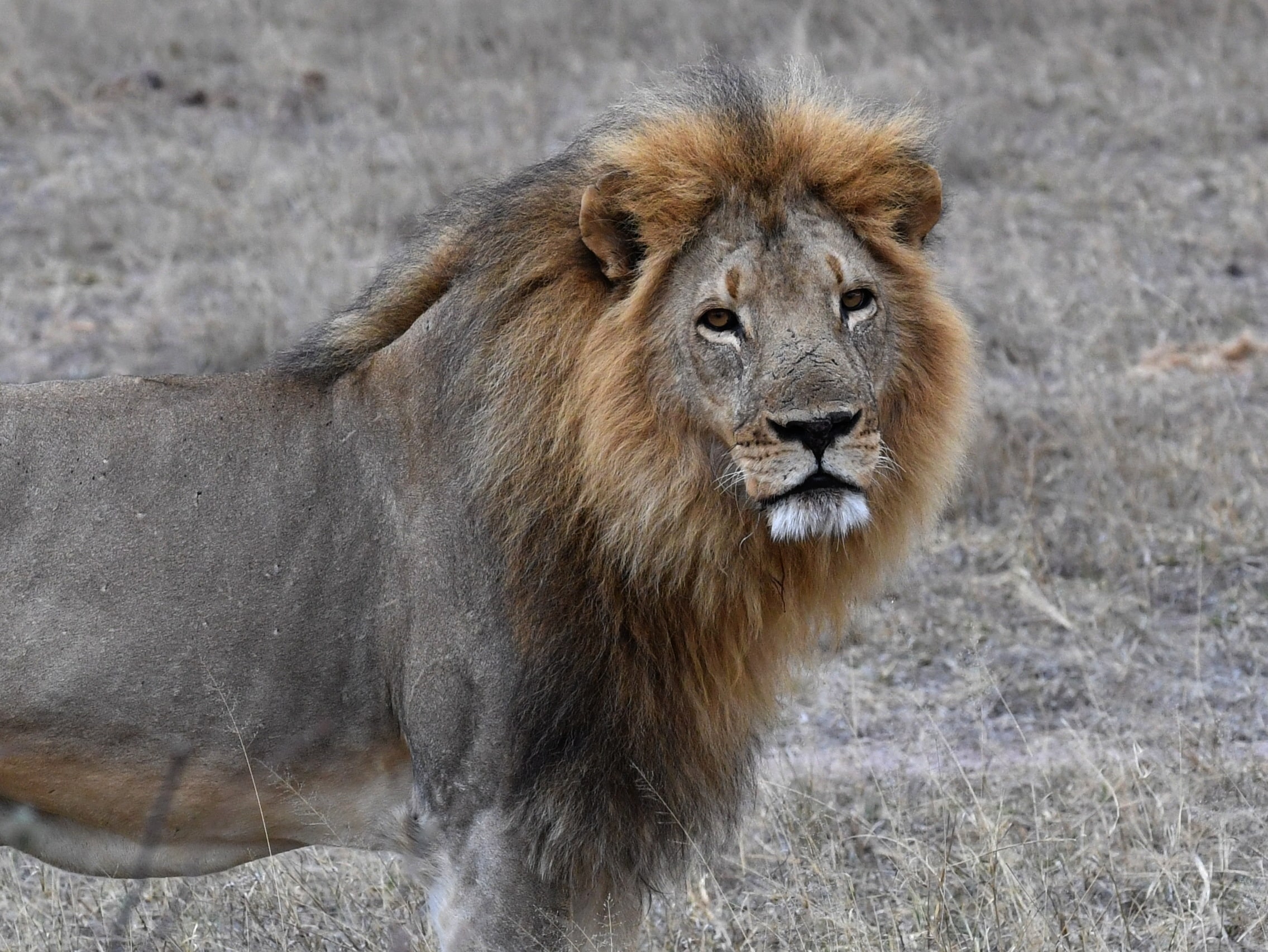
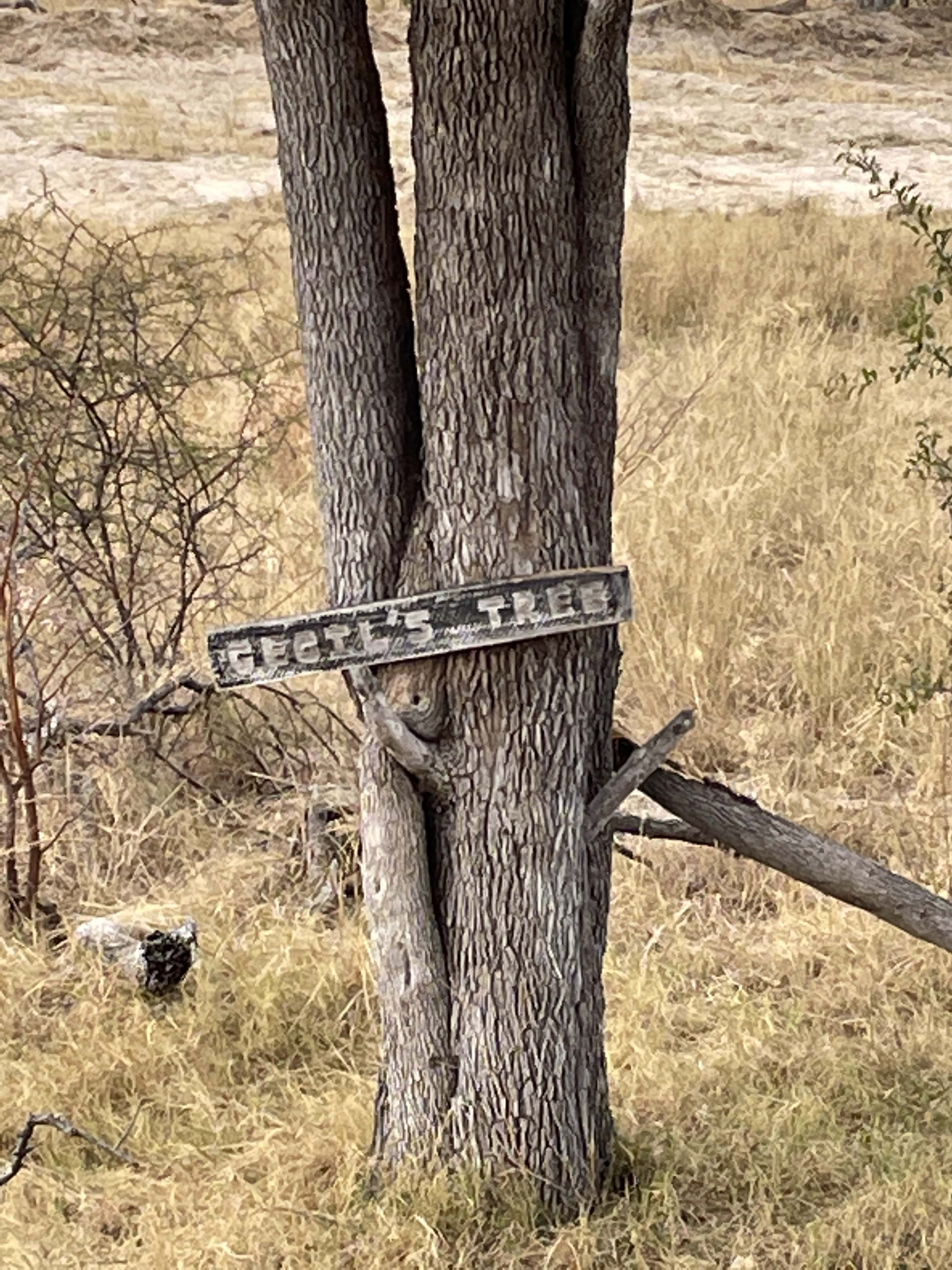
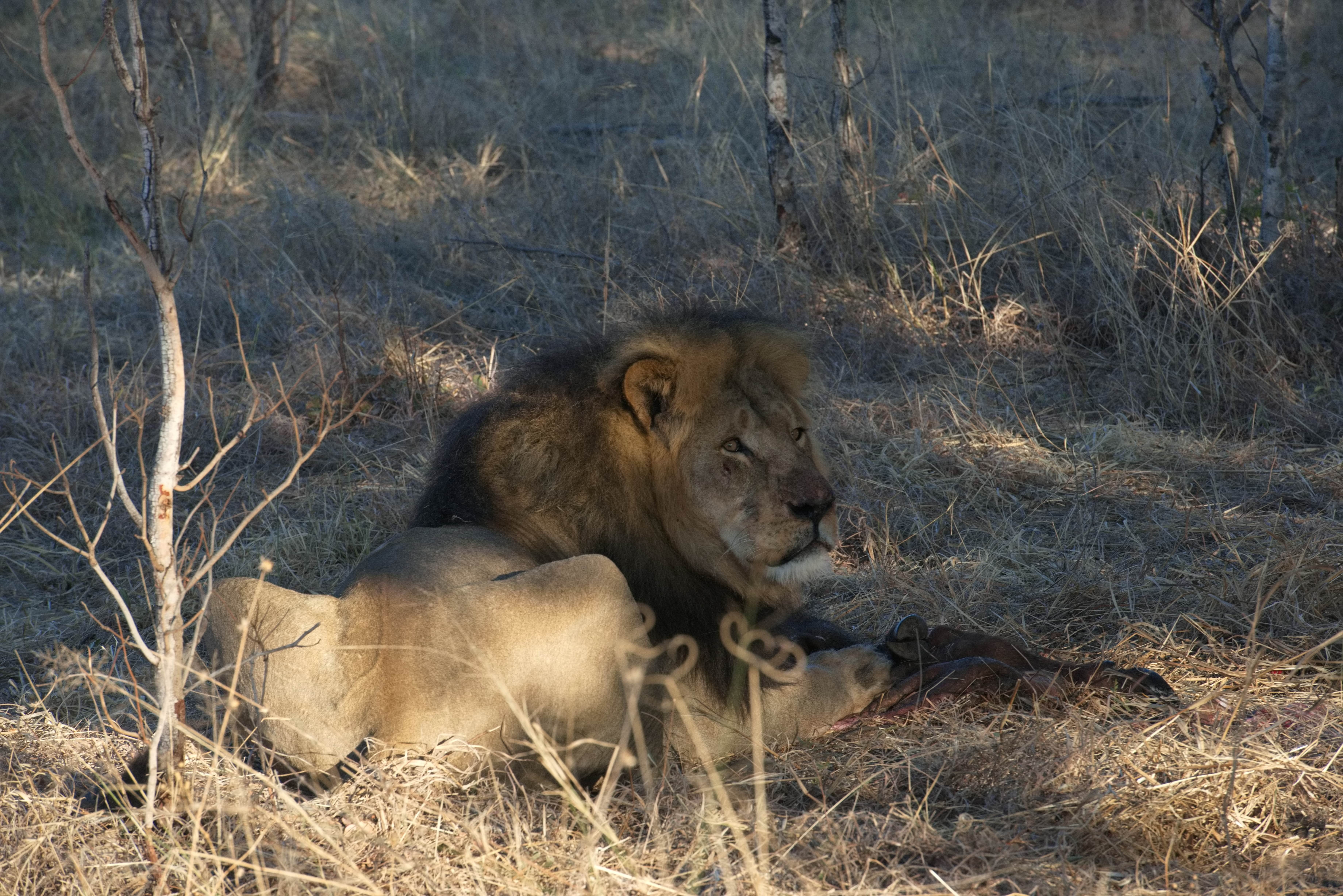
Near here in 2015, "our" beloved lion Cecil was cruelly killed by the American Walter Walker with a crossbow.

Photo of Cecil that I took in 2014.

The zebras also believe that they absolutely have to get to the other side.

Saving of lions and cheetahs

We stumbled from one highlight to the next. Now we went to see Jane Hunt in her field office. She has been leading the field work of WILDCRU (The Wildlife Conservation Research Unit, https://www.wildcru.org/) in Zimbabwe since 2003. She too is concerned with lion conservation and strategies to avoid or defuse human-wildlife conflict after the human population increases by 200,000 people every day, threatening to take away the wildlife's last habitat.

Jane Hunt

Jane Hunt explains the work of lion research to us through the posters ...

... and her colleague Lian by means of a PP presentation. His enthusiasm for the topic cannot be overlooked.
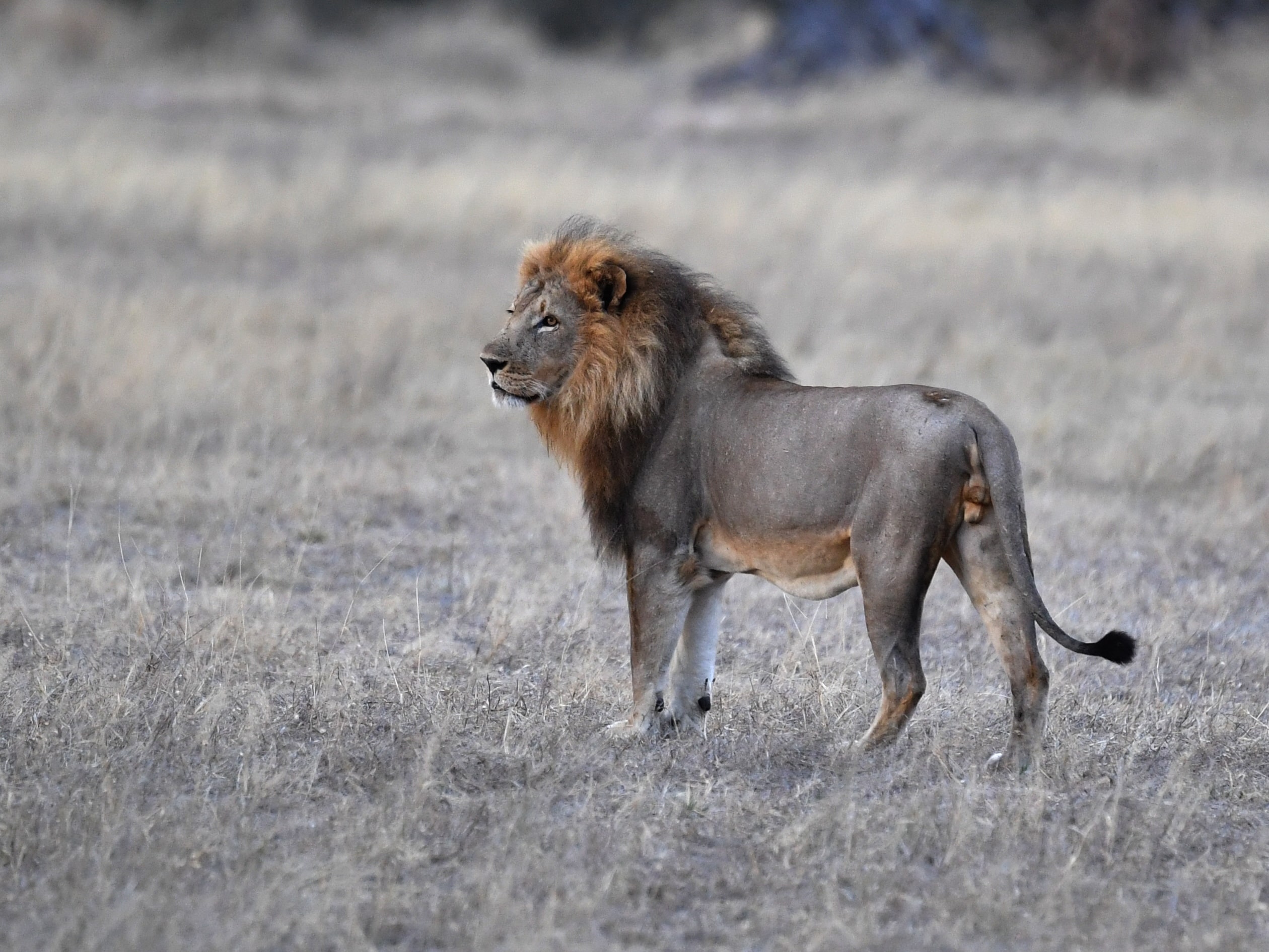
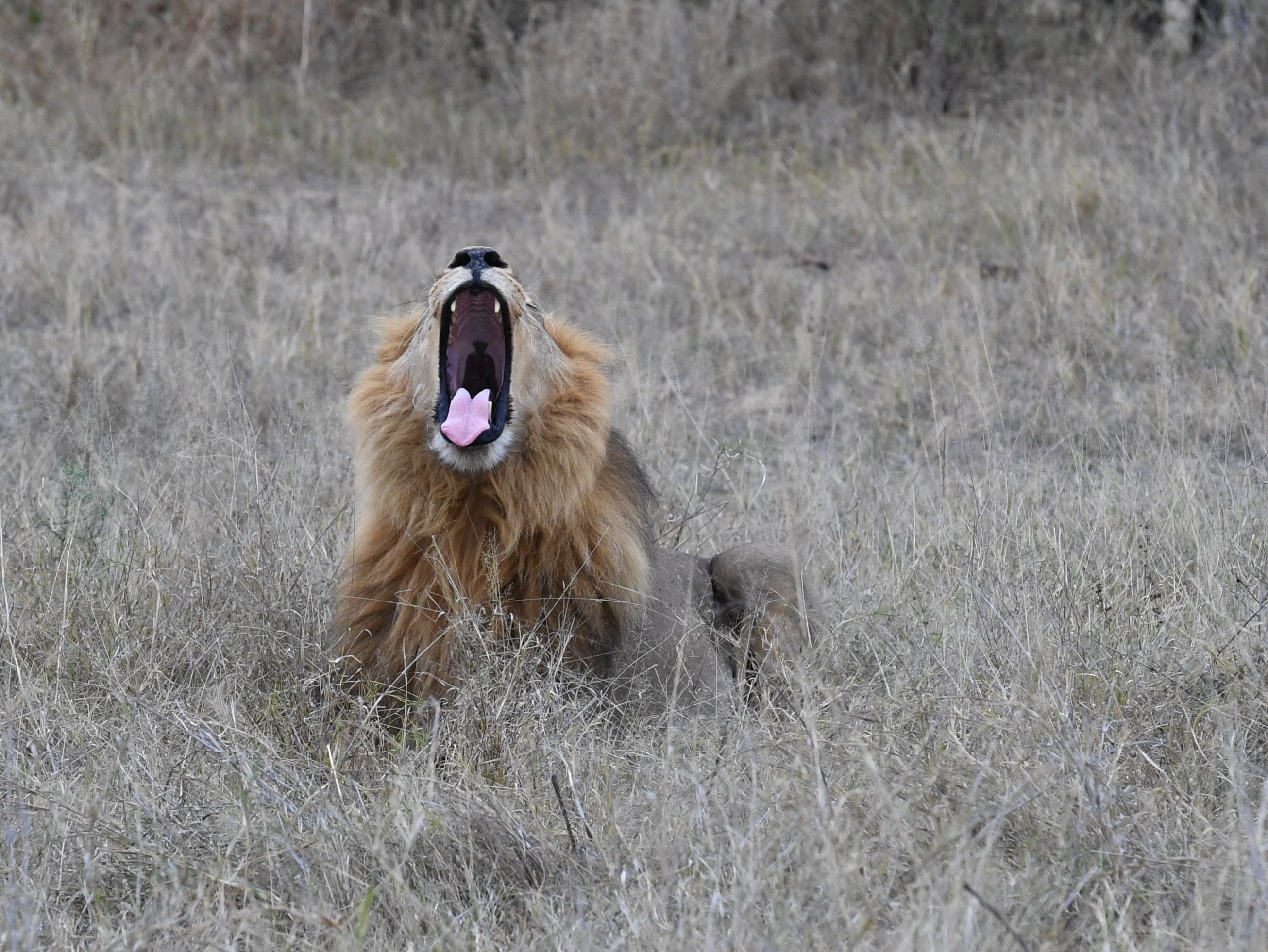
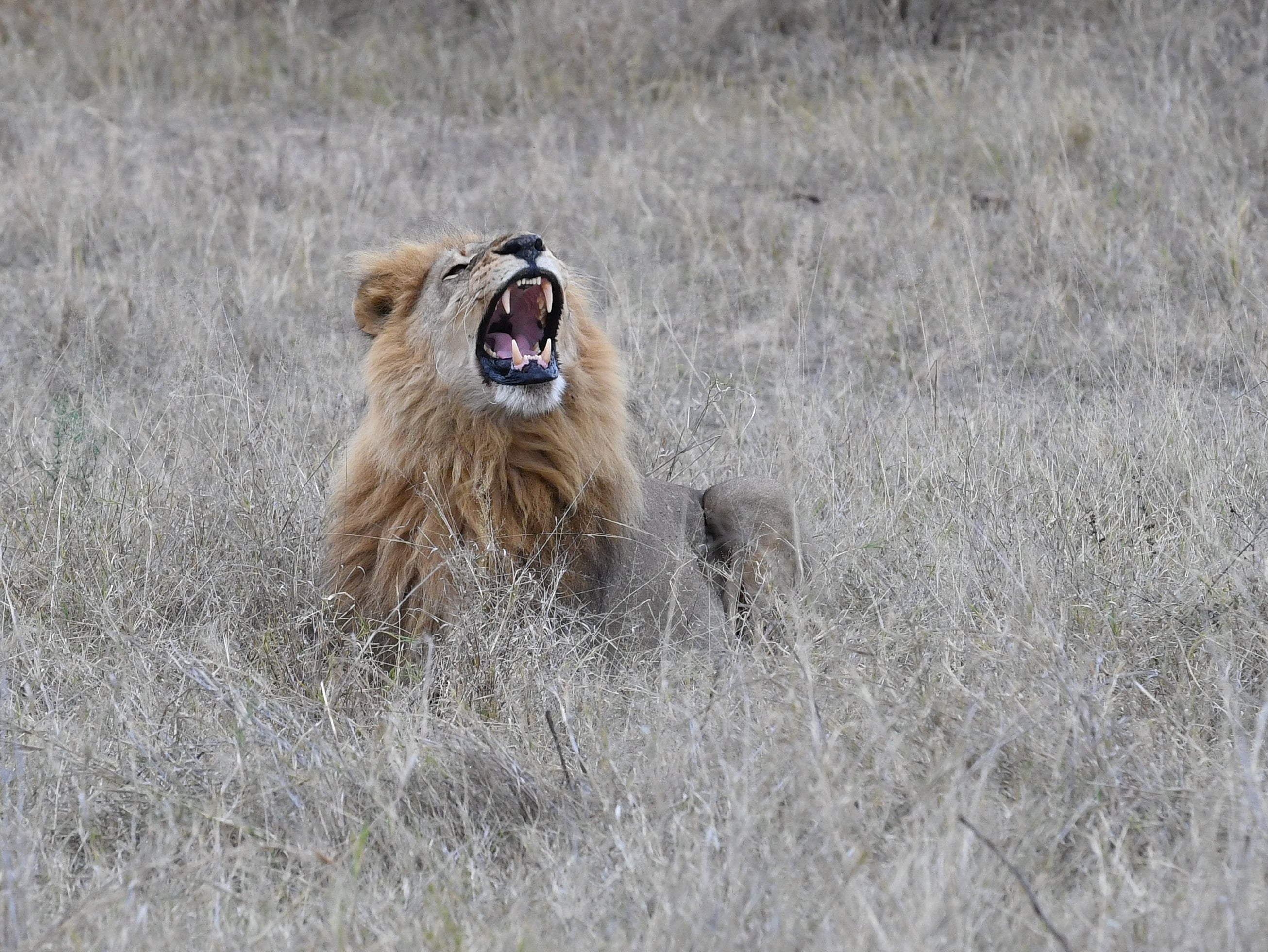
This male lion came in front of my lens in Hwange.

Jane Hunt works under one roof with Dr Lovemore Sibanda. He is the director of the Cheetah Conservation Project Zimbabwe (https://www.cheetahzimbabwe.org/). Cheetahs are even more endangered than lions and need special protection. Of course, this is easier said than done. Dr Sibanda had put together a detailed PP presentation for us. It was very informative.

Cheetahs - I have only rarely been able to photograph them.

The Fastest Mammal on Land is Fast Disappearing before our Eyes

Alarming. Currently, there are probably only 18 cheetahs left in Zimbabwe.

For the work in the bush to protect the lions and cheetahs, we presented 2 pairs of binoculars that our association members Wilfert had donated. The joy was very great.

The two binoculars were tested immediately.

Farewell photo, fltr. Dr Gisela Hennig, Lian from CRU, Dr Wolfgang Hennig, Jane Hunt, Dr Lovemore Sibanda, Sian Brown, Dr Richard Hoare
Matusadona Anti-poaching Unit

Matusadona Anti-poaching Unit

We were also allowed to visit this anti-poaching unit. We were given a detailed briefing in the Situation Room by their leader Mike Pelham. It is unbelievable what this unit has achieved in the last 2 years after Matusadona Conservation Trust has been running Matusadona National Park. This trust is a joint venture between African Parks and the Zimbabwe Parks & Wildlife Management Authority. Mike has been in Tashinga, the headquarters of the unit, for a few months. For security reasons, I only took 1 permitted photo in the room.


Chief Operations Officer of the APU Mike Pelham and Dr Richard Hoare

We were given a detailed demonstration of the rangers' equipment and how they work.

When you're in the bush for days on end, you need clean water. With this filter, you can turn dirty water into drinking water in just a few seconds.

After the restructuring of the unit, the first thing that was thought of was the rangers. Not only did they get more money, much better training and new, clean accommodation. Even an infirmary and a school with 3 teachers were built. The rangers are correspondingly motivated. Due to the work of the anti-poaching unit, poaching has drastically decreased in the last 2 years. The unit also intensively cares for the inhabitants of the villages adjacent to the park. Only in cooperation with them can poaching be significantly reduced.

New accommodation for the rangers

New school with several classrooms for the children of the rangers

1st and 2nd grade

3rd and 4th grade

Even a playground was thought of

In recent weeks, these boats have been confiscated for illegal fishing in the overfished reservoir in the national park.

fltr. Sian Brown (in the vehicle), Tracey Pelham, Dr Gisela Hennig, Dr Wolfgang Hennig, Chief Officer Michael (Mike) Pelham, Dr Richard Hoare

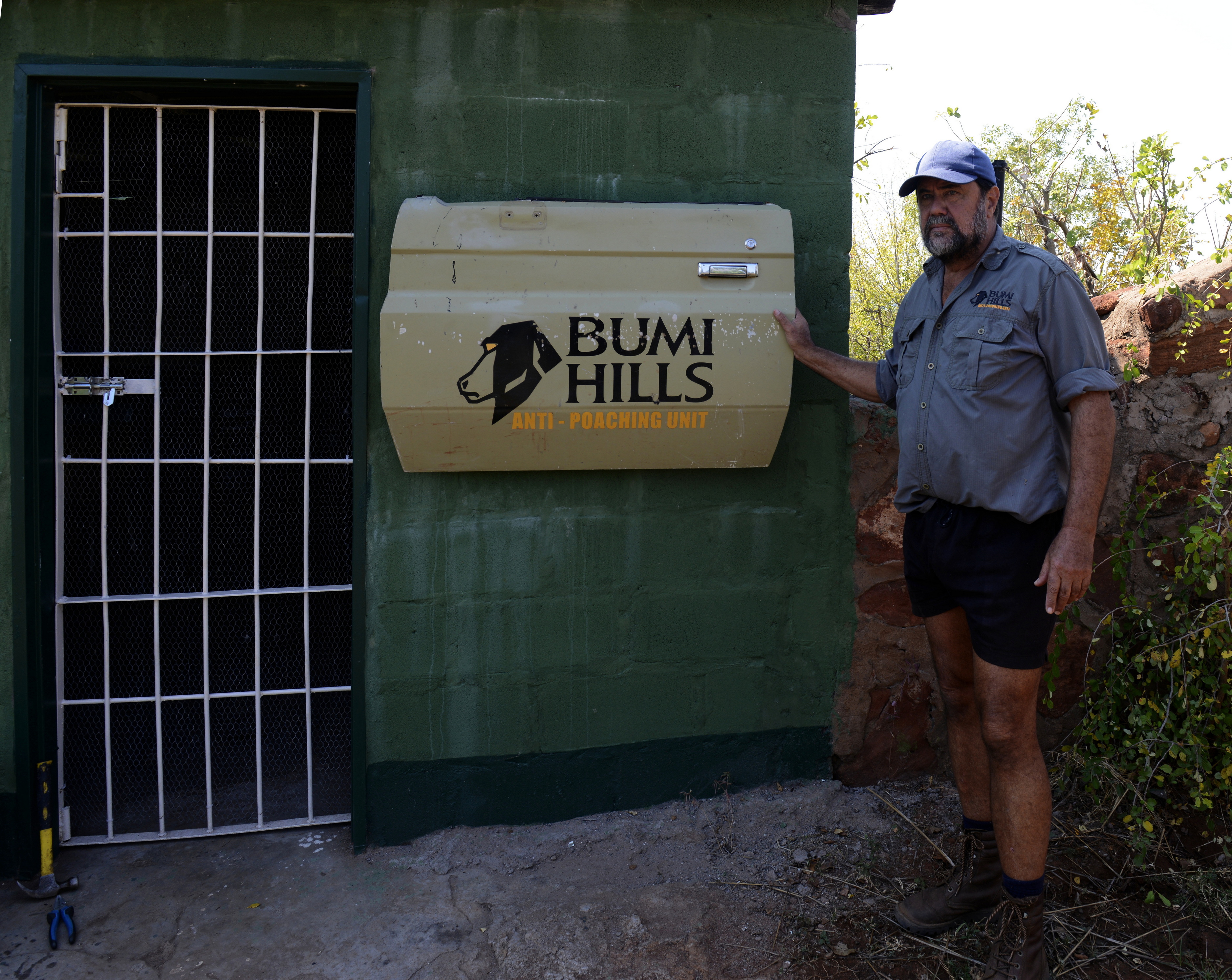
Bumi Hills Anti-poaching unit (BHAPU)

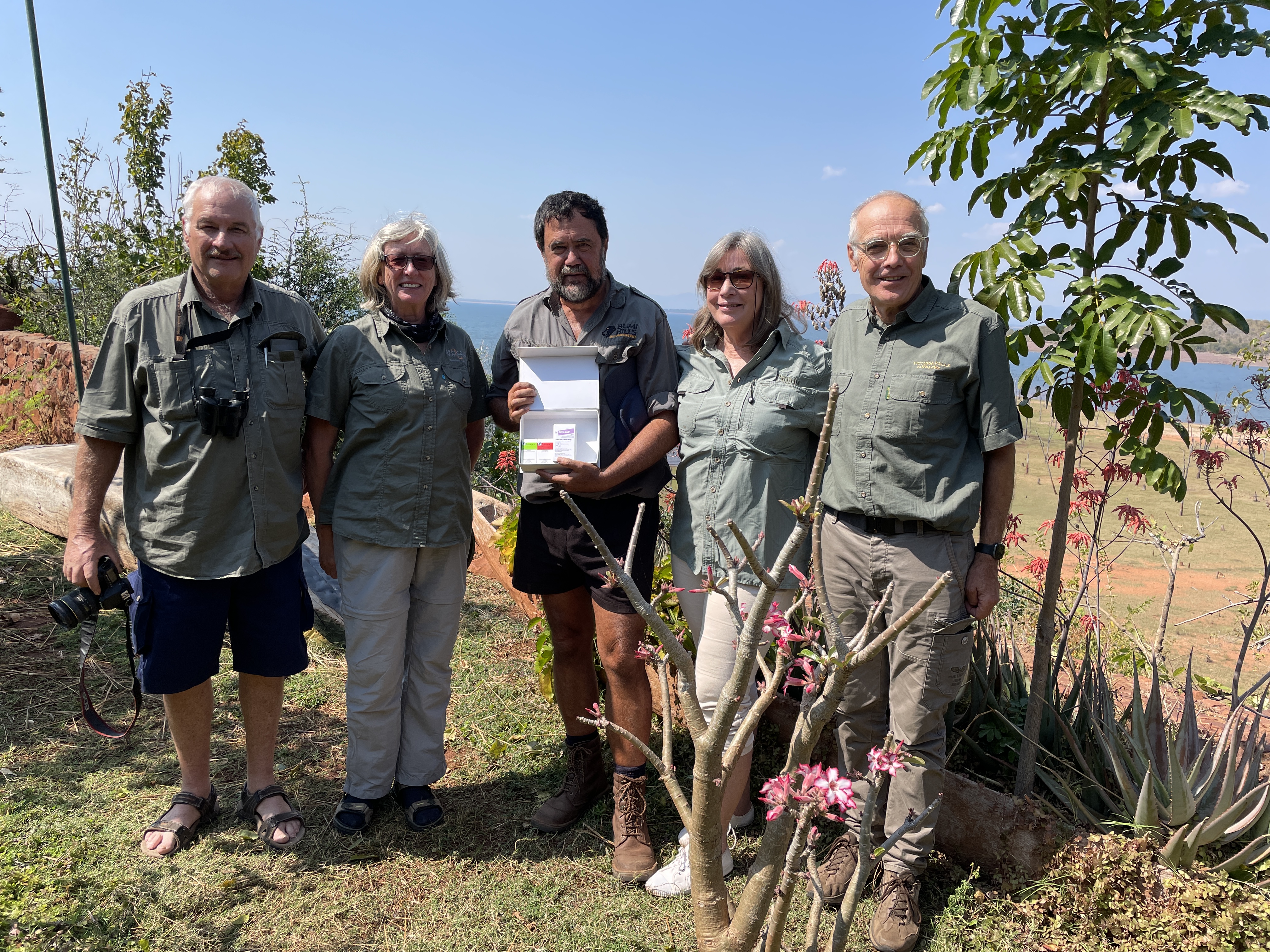
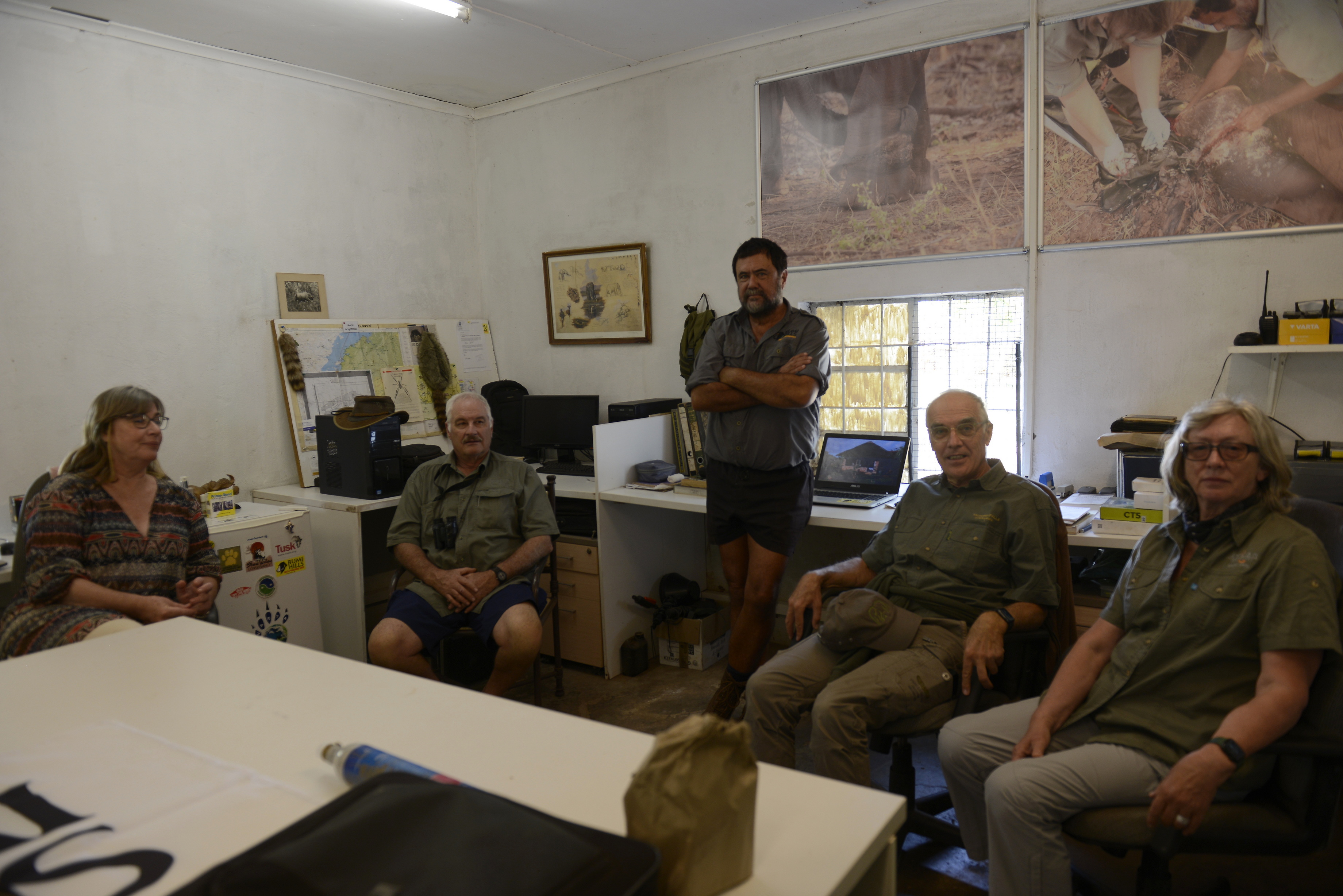
After our stay in Harare, we visited the Bumi Hills Antipoaching Unit (BHAPU) as our first stop in the wilderness. It is run by Mark Brightman and Catherine Norton. This unit has been supported by our association "Saving Endangered Wildlife" with considerable funds in the last time. As a gift, we brought medicines (anaesthetic and awakening drugs) for injured wildlife. Mark informed us about the tasks and successes of this unit by means of a PP presentation. We slept at the Bumi Hills Lodge.

Mark Brightman, the head of BHAPU

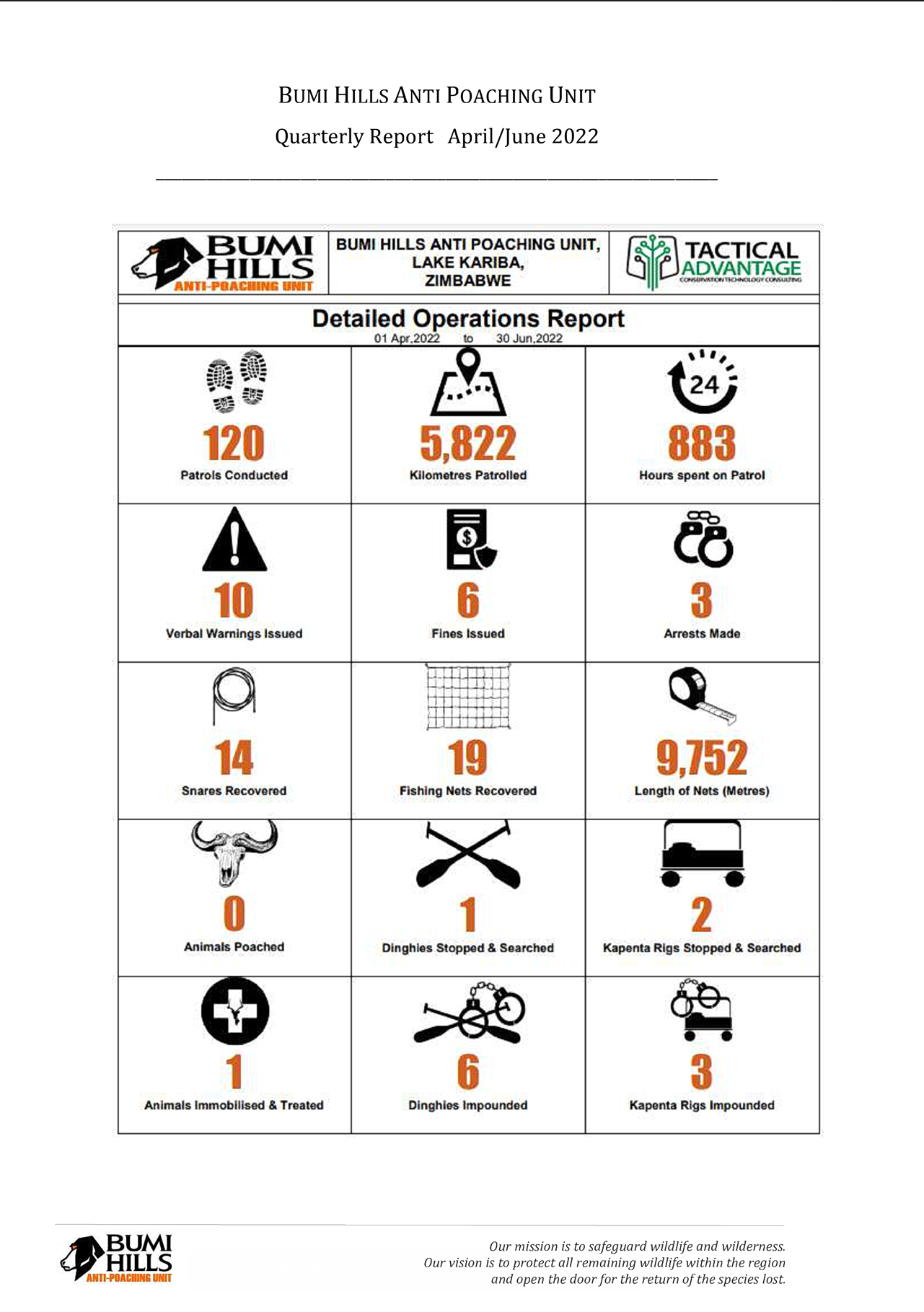
This unit is dedicated to fighting all forms of poaching, especially ivory poaching by shooting elephants, poaching by snaring any mammal in the bush and illegal fishing with prohibited nets in Kariba Reservoir, especially in the parts of the lake located in the national park. Every quarter we receive a report on the activities of this unit.

fltr. Richard Hoare, Gisela Hennig, Mark Brightman (with the new drugs), Catherine Norton, Wolfgang Hennig

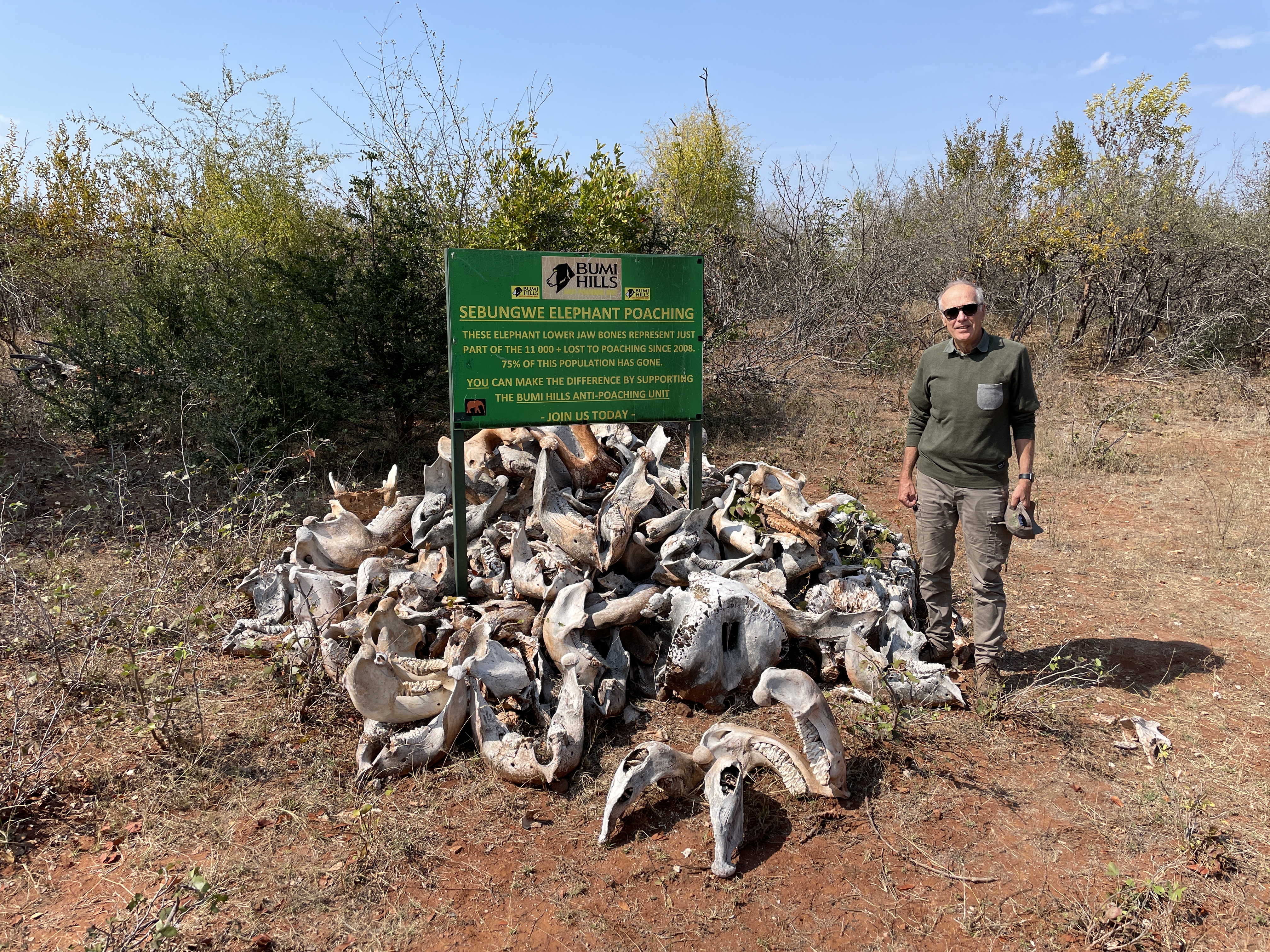
Shocking and incredibly sad is the number of 11,000 elephants killed in this region since 2008, which is 75% of the total population. Due to the effective work of this unit, elephant poaching has decreased very significantly.

Lower jaws of elephants killed by poachers

Briefing im Situationsraum

Quarterly Report of BHAPU

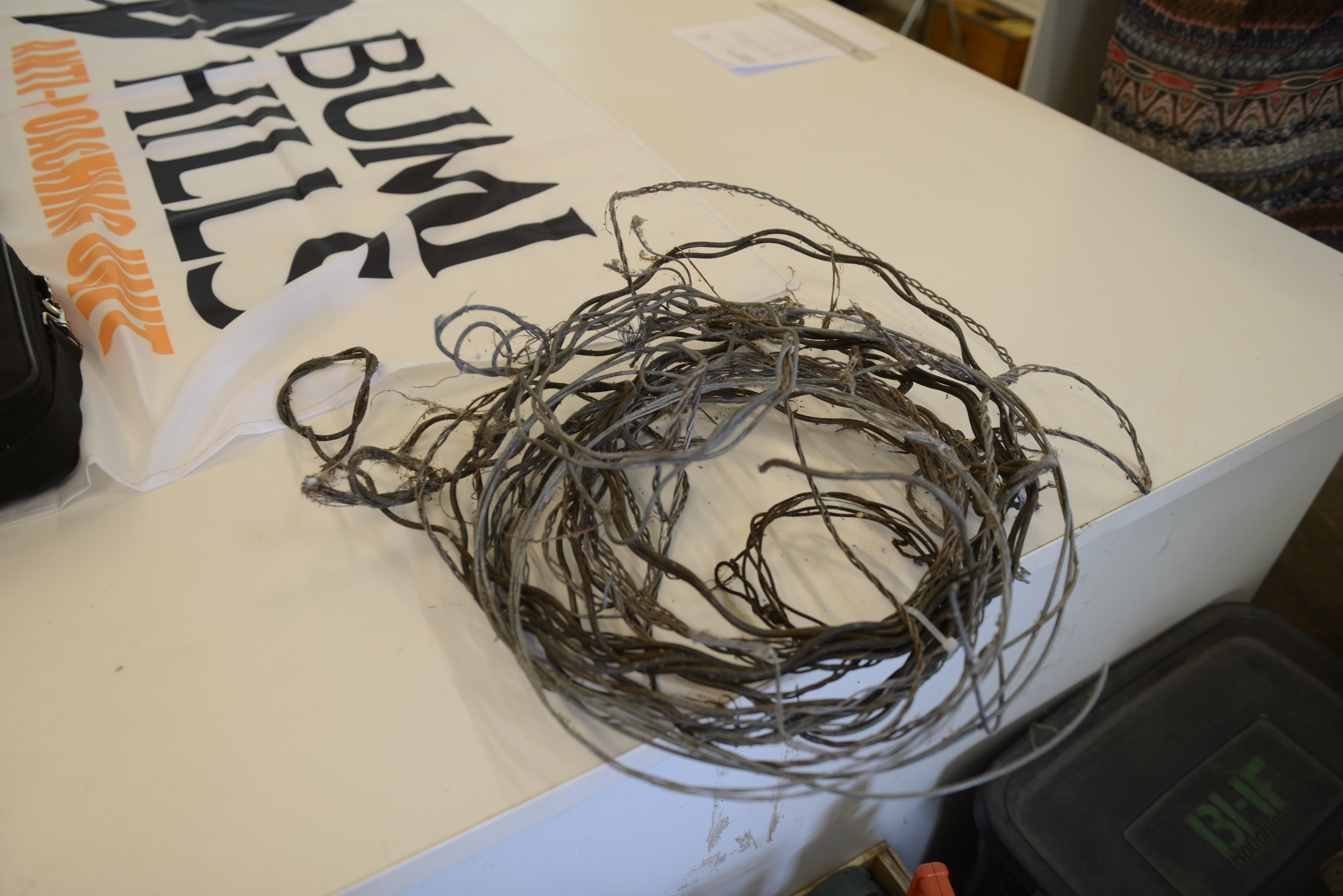
salvaged wire snares that had been laid out by poachers

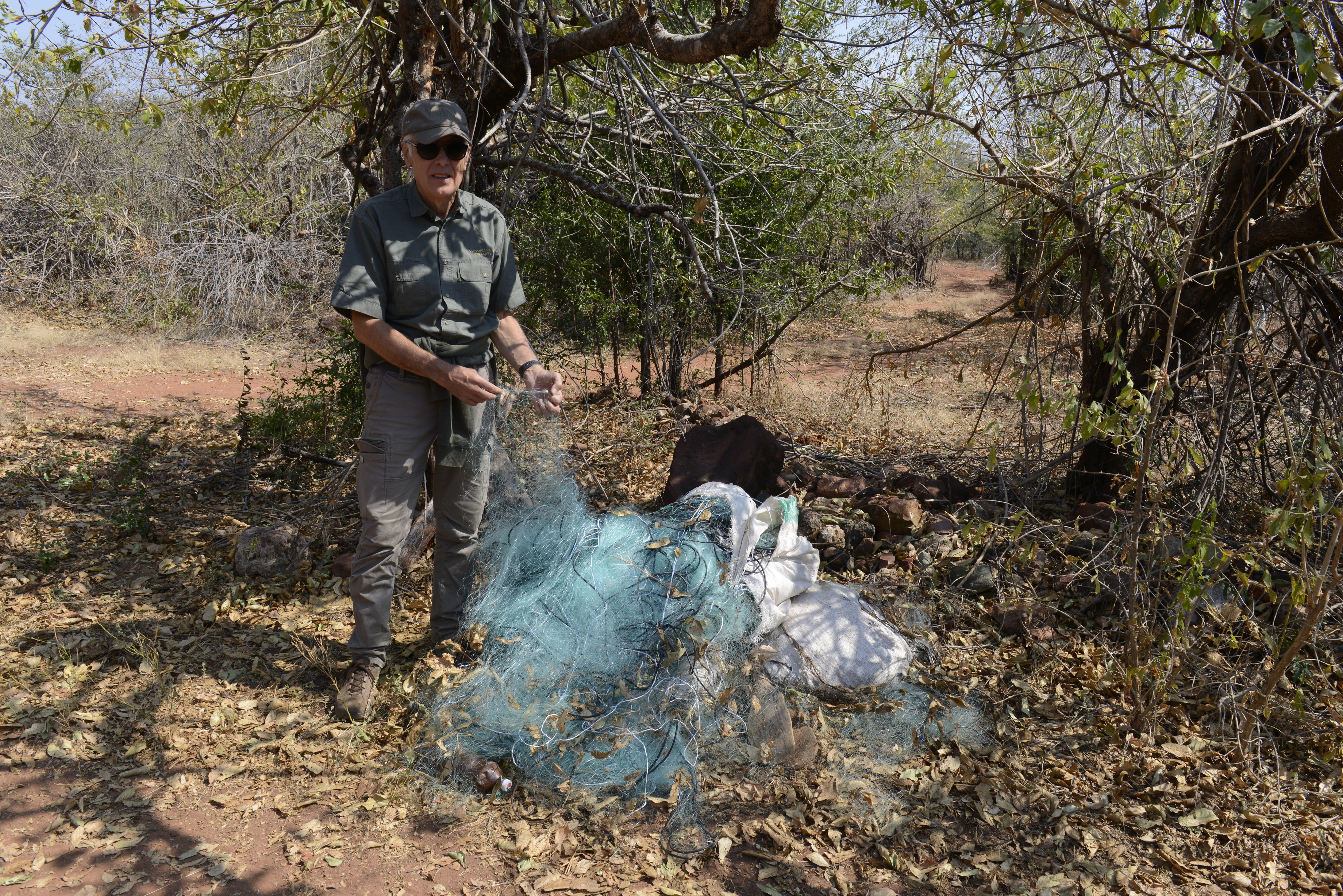
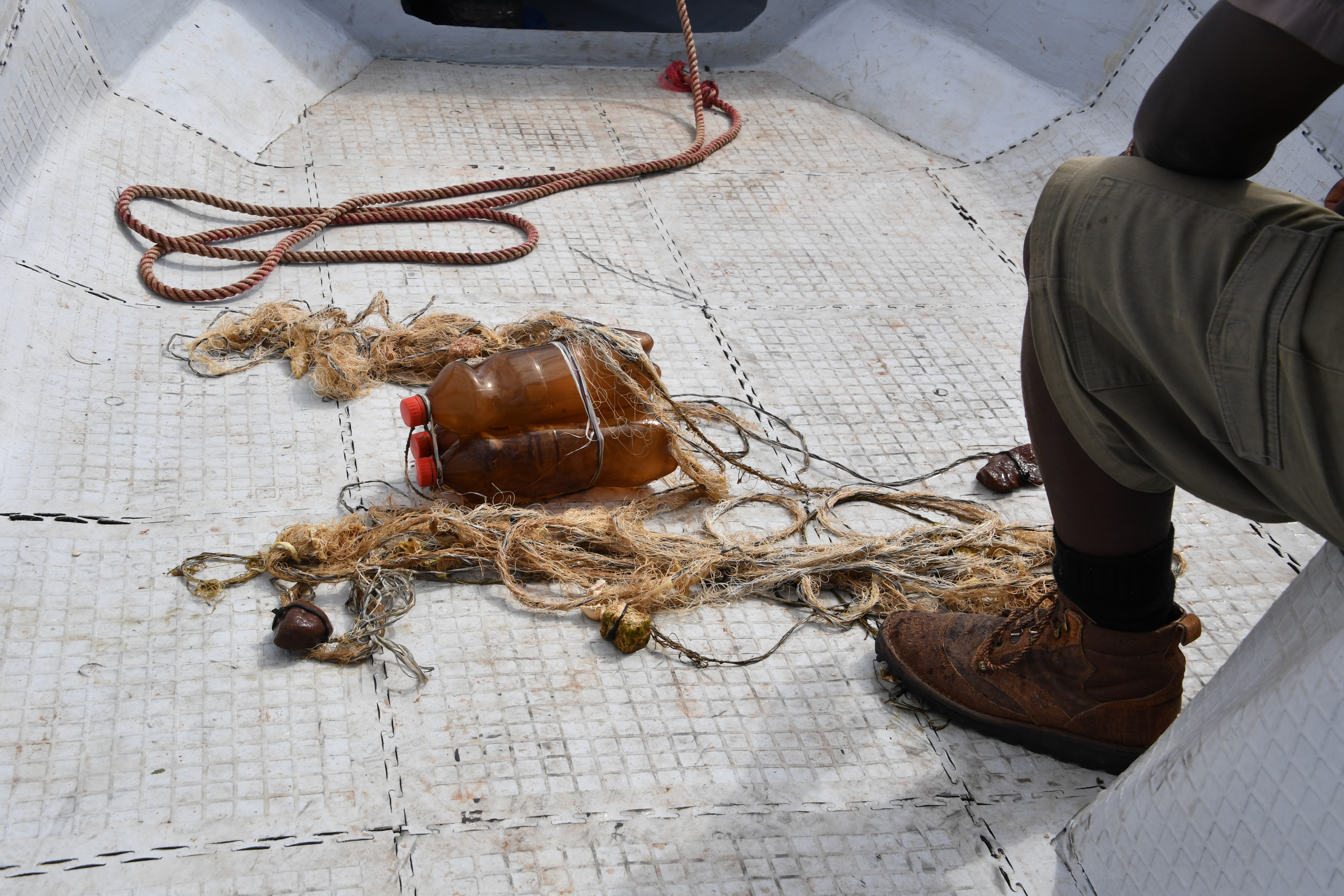
salvaged prohibited fishing nets (too tight meshes, non-degradable material), which often float around the lake as ghost nets

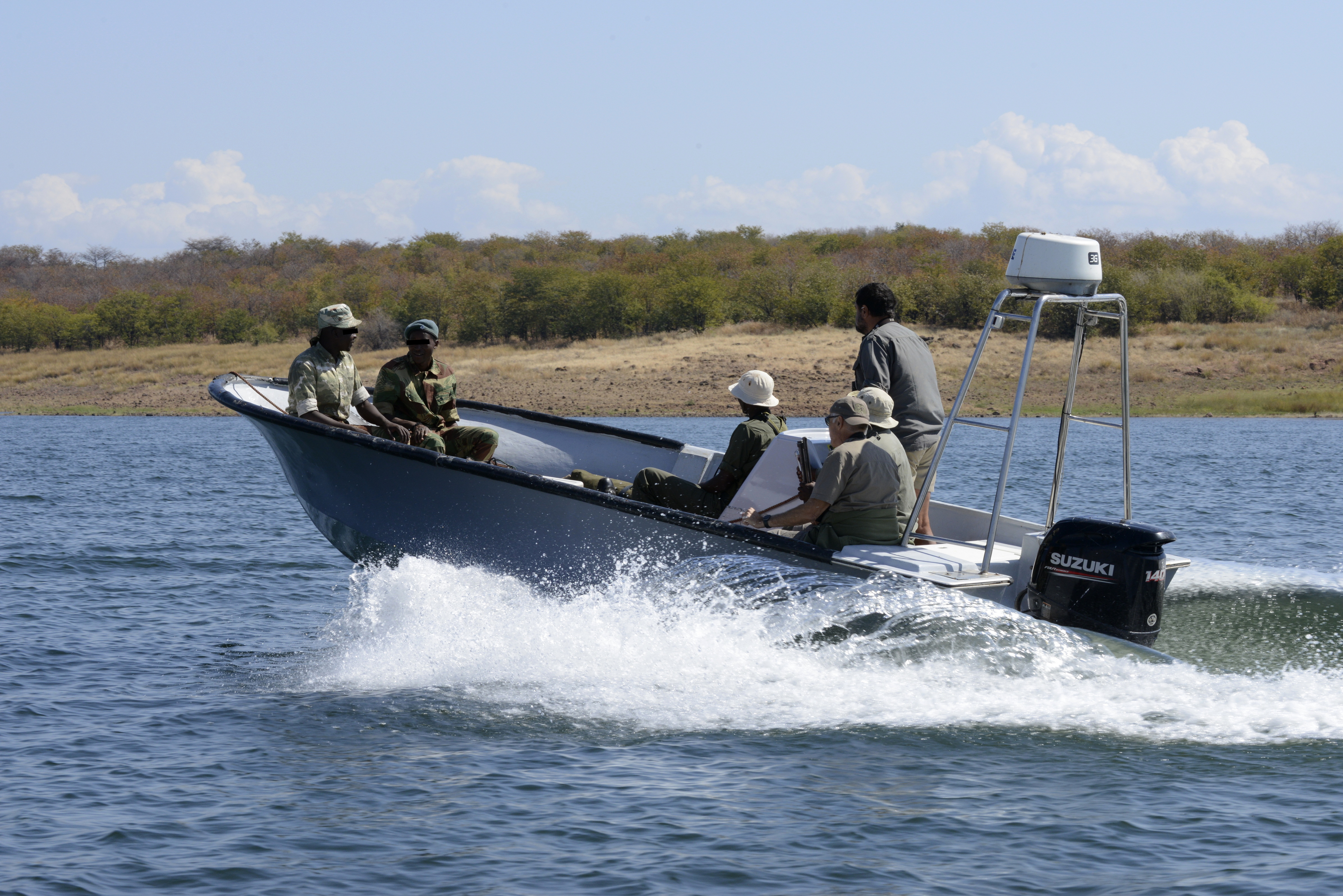
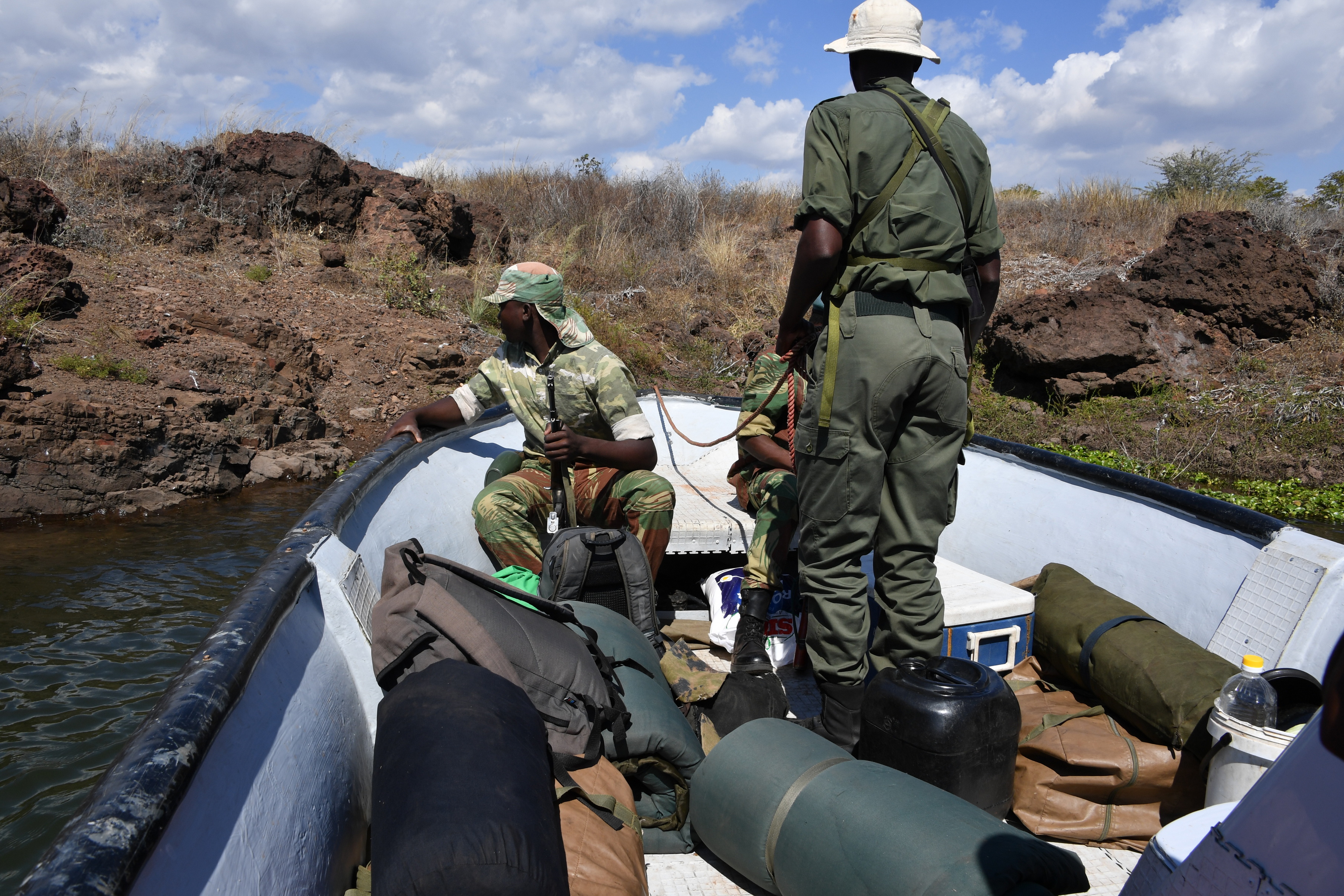
Patrol on the Kariba Lake, which we were allowed to accompany

Arrived at the destination

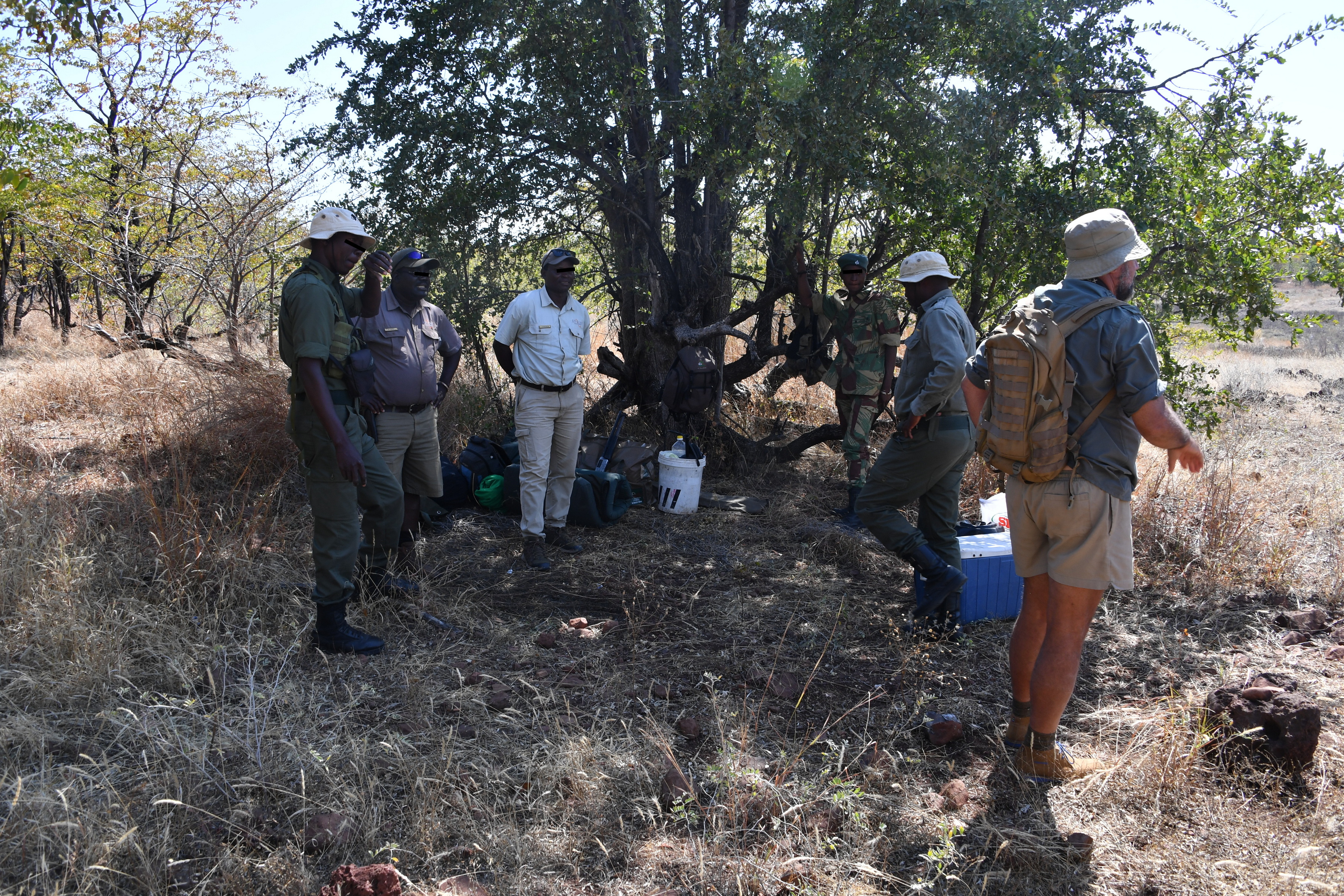
Preparing the night camp

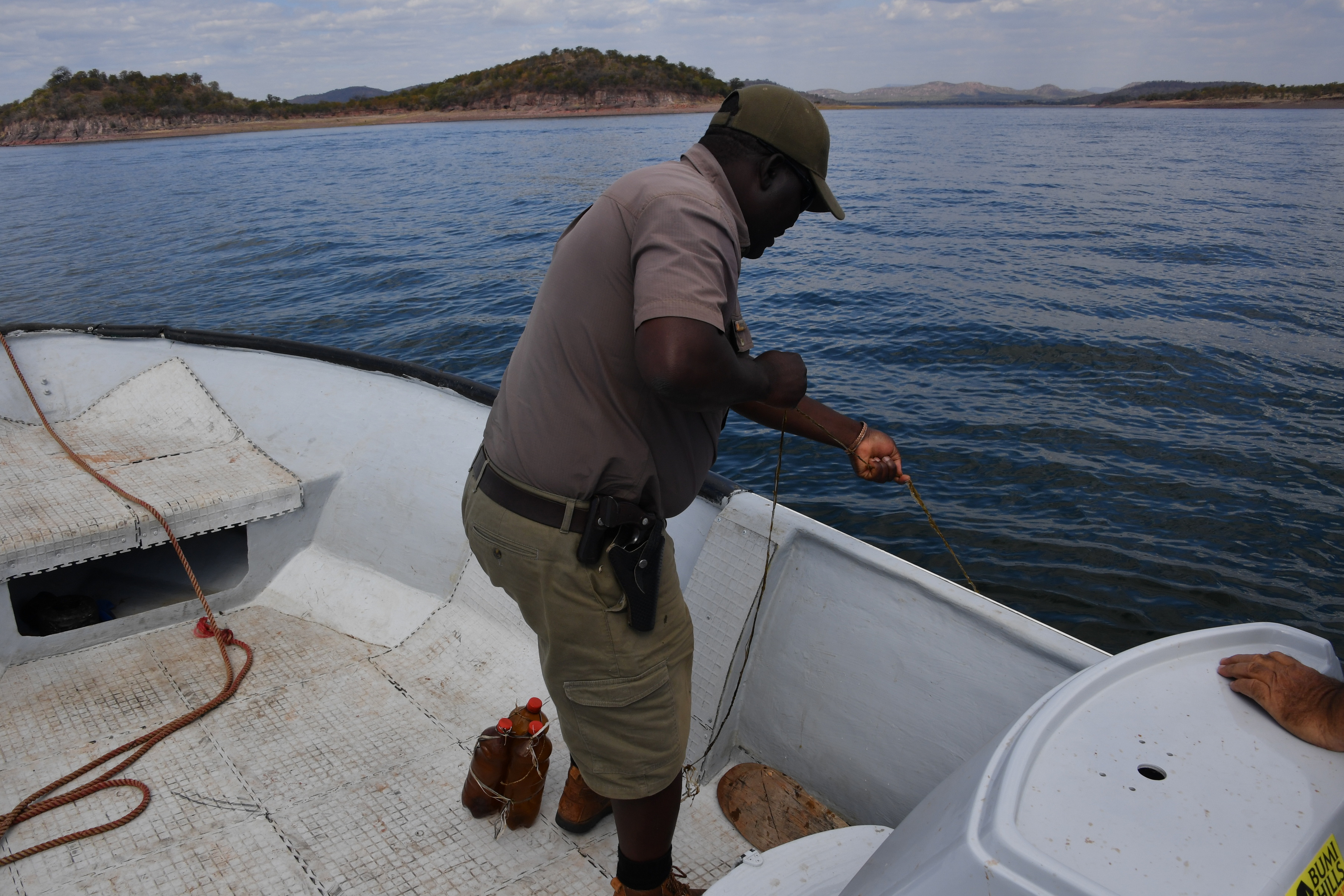
an illegal net is salvaged

This net is small, but can still cause great damage.

Many thanks to Catherine and Mark for their hospitality and the great job they do together with their team.

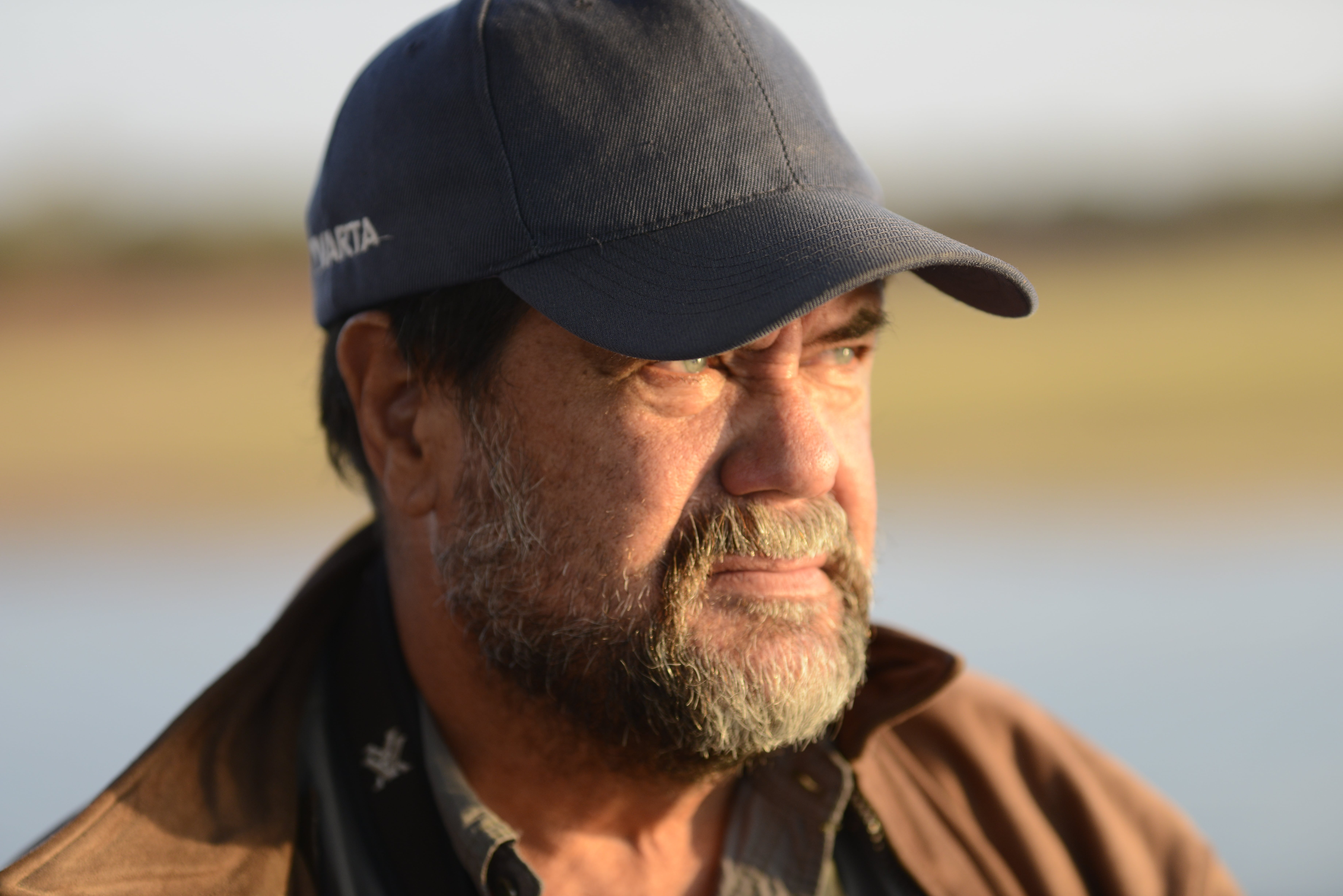
Mark Brightman

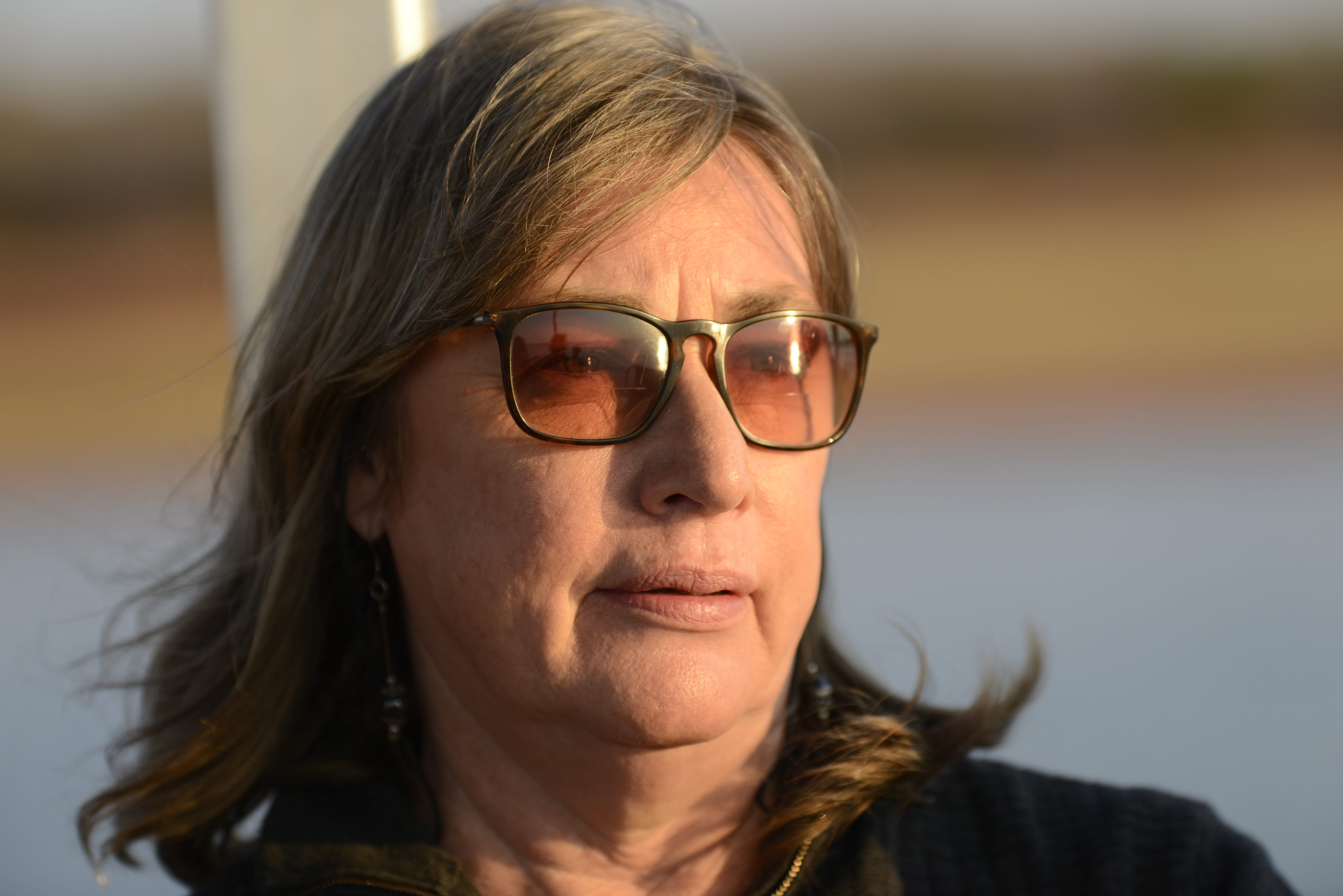
Catherine Norton

Our trip began in Harare

Our trip began in Harare, where we met our friends, wildlife veterinarian Dr Richard Hoare and his lovely wife Sian Brown, who accompanied us from then on. We also met Jaco from Cape Town who works at Giraffe Conservation Foundation (GCF). We then met him again in Hwange National Park at his work.

fltr. Sian Brown, Jaco Olivier, Dr. Richard Hoare, Dr. Gisela Hennig, Angela Styles (Managing Director von Wild is Life)

First of all, we had the pleasure of being Roxy Danckwerts' guests again. She runs the foundation "Wild is life". The ZEN (Zimbabwe Elephant Nursery) belongs to this foundation. In Germany it is better known as an elephant orphanage. It is Zimbabwe's first elephant nursery, which rescues, rehabilitates and raises orphaned and injured elephants. Together with her team, Roxy does an incredible job.

Roxy Danckwerts, Gründerin und Leiterin des Elefantenwaisenhauses

Gisela and Wolfgang Hennig at ZEN (Elephant Orphanage)

Shortly before our visit, a baby elephant was operated on by wildlife veterinarian Dr Mark Lombart. It had broken its leg. The surgeon applied an external fixator. In the meantime, this could be removed again.  

Baby elephant with a broken leg

Rocky Dankwerts and Dr Mark Lombart

Dr Wolfgang Hennig with the injured baby elephant

Even among the larger elephants, none wants to do without its bottle.

Jaco Olivier of Giraffe Conservation Foundation (GCF)